
Tinomiscium petiolare
Tinomiscium petiolare
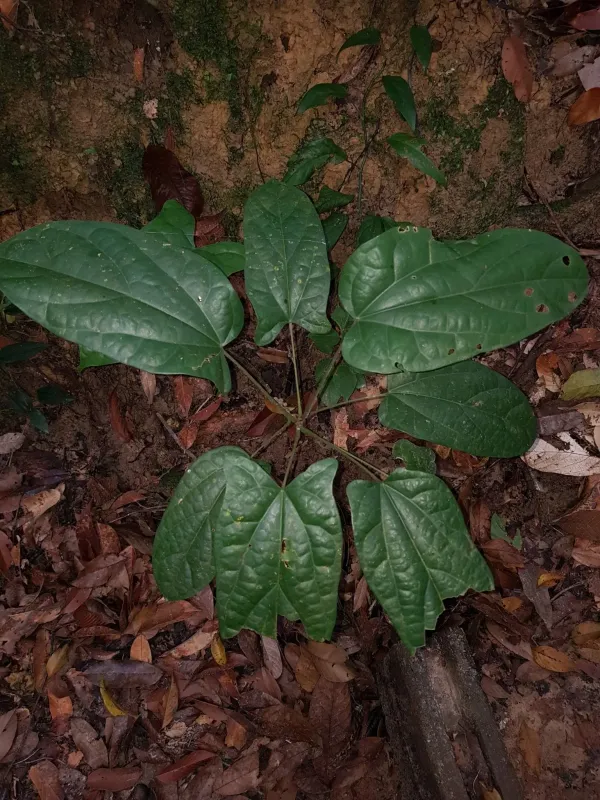
Description
Growing requirements
Tinomiscium petiolare is a climbing vine belonging to the Menispermaceae family, native to the tropical forests of Southeast Asia. It is well-adapted to the high-humidity and stable temperature conditions of its natural environment.
The plant thrives in deep, fertile soils rich in organic matter, which are common in primary and secondary rainforests. It requires vertical support to reach the canopy layer, which is essential for its vegetative growth and development.
Botanically, it is recognized by its woody stem and broad, long-petioled leaves. These features allow the plant to maximize light interception in the competitive environment of a tropical forest floor.
In terms of agricultural significance, the plant is primarily harvested for its bioactive compounds, which include various alkaloids that have demonstrated potential in pharmaceutical research and traditional medicine.
Cultivation of this species relies on imitating its natural forest environment. Sustainable farming methods involve agroforestry techniques that protect the integrity of the soil and provide the necessary vertical structure for the vine.
Main diseases and pests
Deforestation and habitat loss represent the most significant threats to the wild populations of Tinomiscium petiolare, disrupting its ecological niche and limiting its growth range.
In cultivated or semi-cultivated settings, the plant is susceptible to fungal pathogens that can develop during periods of excessive rainfall or poor air circulation, potentially leading to root or stem decay.
Insects such as leaf-eating beetles and mites are the most common pests. Infestations can significantly weaken the plant, affecting both the leaf area index and the concentration of secondary metabolites.
Competition from fast-growing invasive species can suppress young Tinomiscium plants, preventing them from accessing the sunlight needed for survival during the early stages of growth.
Effective management requires maintaining a balanced ecosystem and regular monitoring for signs of stress, ensuring that the plant retains its medicinal potency and structural integrity.