
Tinantia standleyi
Tinantia standleyi
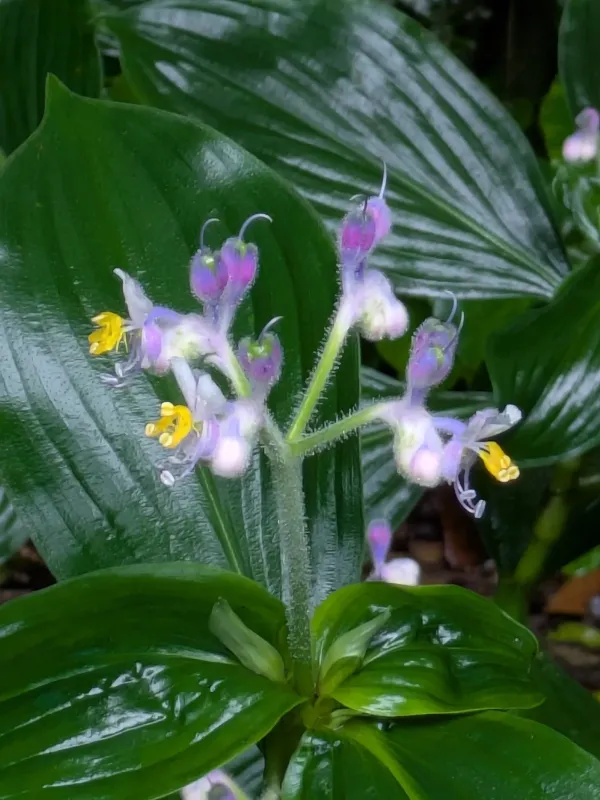
Description
Sowing dates
Tinantia standleyi is a perennial herbaceous plant propagated primarily through seeds or stem cuttings. The optimal time for sowing is early spring, which allows the plant to benefit from increasing daylight and stable spring temperatures.
Seeds should be sown on the surface of a light, well-drained growing medium, as they require light to germinate effectively. Covering the seed tray with a clear plastic dome helps maintain the high humidity required for successful emergence.
Once seedlings develop their first true leaves, they should be pricked out into individual containers. Ensuring adequate spacing prevents etiolation, which is a common issue when young plants are crowded in a confined nursery environment.
Acclimatization to external conditions is necessary before moving the plants to their final location. Gradual exposure to outdoor temperatures over a week prevents transplant shock and strengthens the plant's cell walls.
In temperate climates, Tinantia standleyi is frequently cultivated as a container plant. This approach allows for precise control over the growing medium and placement, ensuring the plant remains protected from late frost events.
Growing requirements
Belonging to the Commelinaceae family, this species is native to the shaded forest habitats of Central America. Consequently, it performs best in filtered light or partial shade, avoiding direct midday sun that can scorch its leaves.
The soil should be fertile and porous, capable of holding moisture without becoming waterlogged. A mixture of peat, perlite, and organic compost provides an ideal balance for root development and nutrient uptake.
Temperatures should be kept between 18 and 24 degrees Celsius. The plant is sensitive to cold and must be protected from temperatures below 10 degrees Celsius, as it has no natural resistance to frost or prolonged chilly conditions.
Consistent moisture is vital during the growing season. The surface of the substrate should be allowed to dry slightly between waterings, but the root ball must never dry out completely, as this causes significant stress to the plant.
Routine fertilization with a balanced liquid fertilizer is recommended every two weeks during the growing season. Nitrogen-rich fertilizers should be used sparingly to maintain the plant's natural form and prevent excessive growth.
Main diseases and pests
Common pests include spider mites and mealybugs, which thrive in low-humidity environments. Regular inspection of the undersides of leaves and leaf axils is essential for early detection and control of these sap-sucking insects.
Root rot, caused by overwatering or poor drainage, is the primary threat to the health of the plant. If the soil remains waterlogged, the roots become prone to fungal pathogens, leading to sudden wilting and eventual plant failure.
Biological control agents or targeted insecticides are effective against infestations. It is important to treat the entire plant and the surrounding environment, as these pests can spread rapidly between nearby flora.
Fungal leaf spots can occur when air circulation is poor and humidity remains stagnant. Increasing ventilation and keeping the foliage dry are simple yet effective preventive measures against these infections.
Maintaining a clean growing space and removing any fallen leaves helps minimize the risk of pests and diseases. If an infection is identified, immediate quarantine of the affected plant is advised to protect the rest of the collection.