
Tinantia erecta
Tinantia erecta
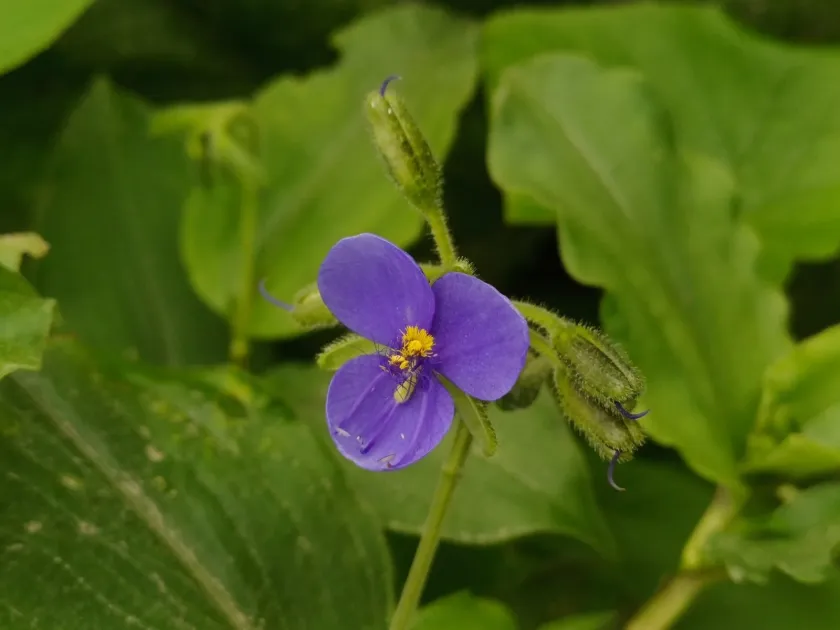
Description
Sowing dates
Tinantia erecta is typically propagated via seeds, which are sown in late winter or early spring using a well-draining, sterile seed-starting mix.
Seeds should be lightly covered with fine soil and kept at a constant temperature of about 20–22 degrees Celsius to facilitate germination.
Once the seedlings develop at least two true leaves, they should be transplanted into individual pots to avoid root competition and promote vigorous growth.
For outdoor cultivation, plants should only be moved to their permanent location after all danger of frost has passed, as the species is sensitive to cold.
Indoor sowing can be performed at various times if supplemental lighting is provided to ensure the plants maintain their compact and healthy habit.
Growing requirements
Belonging to the Commelinaceae family, Tinantia erecta is native to tropical and subtropical Mexico, where it thrives in shaded, humid habitats.
This species requires rich, fertile soil that maintains moisture without becoming waterlogged, as its succulent stems are prone to rot.
Exposure to direct, harsh sunlight should be avoided to prevent leaf scorching; a spot with filtered light or partial shade is ideal for its development.
Regular watering is essential, especially during the active growing season, and humidity levels should be monitored if the plant is grown indoors.
Balanced liquid fertilizers applied bi-weekly during spring and summer encourage steady growth and frequent flowering of the delicate blossoms.
Main diseases and pests
Spider mites are the most common pest, particularly in environments with low humidity, which can quickly lead to leaf discolouration and plant decline.
Mealybugs can also infest the plant, hiding in the leaf axils and stems, necessitating manual removal or the use of targeted horticultural soaps.
Fungal issues such as root rot or Botrytis blight occur primarily when soil drainage is poor or air circulation is insufficient around the foliage.
To prevent disease, it is crucial to avoid overhead watering and to ensure that the potting medium dries slightly between watering sessions.
Pruning out dead or yellowing foliage helps maintain hygiene, prevents the spread of pathogens, and encourages the plant to produce new, healthy growth.