
Tieghemella heckelii
Tieghemella heckelii Pierre ex A. Chev.
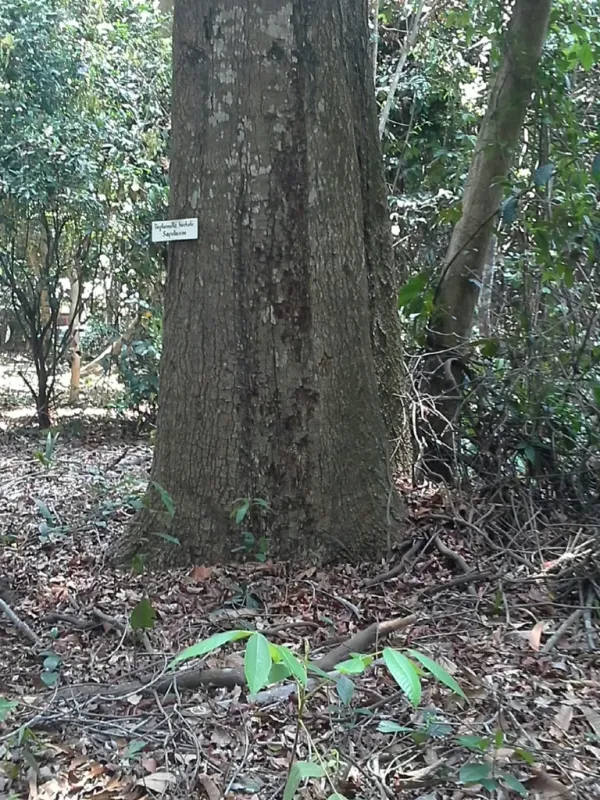
Description
Sowing dates
Tieghemella heckelii is a wild tropical tree species, so large-scale sowing is generally aimed at forest regeneration rather than intensive commercial farming.
Propagation is primarily done through seeds, which must be sown immediately after collection as they have a relatively short viability period.
Sowing in nurseries should be timed with the beginning of the rainy season to provide the necessary moisture for germination and initial seedling development.
Seeds require well-draining, nutrient-rich soil and a warm environment with controlled shade to protect the young sprouts from intense direct sunlight.
Transplanting to the field is successful when seedlings reach a robust height, usually after one or two years of intensive care in the nursery environment.
Growing requirements
The tree belongs to the Sapotaceae family and thrives in the humid tropical climates characteristic of West African rainforests.
A stable, high-temperature environment is essential for the species' growth, as it cannot tolerate significant temperature drops or frost conditions.
Soil requirements include deep, fertile, and well-aerated substrates that retain sufficient moisture while preventing waterlogging, which is fatal to the root system.
The species prefers areas with consistent, high annual rainfall, ensuring the trees remain hydrated throughout the peak growing and flowering seasons.
Proper air circulation and high humidity levels are crucial to maintain the health of the canopy and to reduce the incidence of moisture-related fungal diseases.
Yield
The primary economic value of Tieghemella heckelii comes from its seeds, which are rich in high-quality fat, widely used in various industrial sectors.
Yields vary significantly based on the age of the tree, local environmental factors, and the presence of adequate pollinator populations in the surrounding area.
The oil extracted from the seeds, often referred to as Makore or Maku butter, has physical properties similar to cocoa butter, making it a valuable market commodity.
As a slow-growing tree, it takes many years for a specimen to reach sexual maturity and start producing significant amounts of fruit, limiting its role in fast-turnover agriculture.
Productivity is managed through sustainable wild harvesting practices, as plantations are difficult to establish and maintain over the long term.
Main diseases and pests
The most severe threat to the species is the over-exploitation of its wood for the high-end timber industry, which often results in habitat loss.
Pests such as wood-boring insects and seed-infesting larvae can significantly reduce seed quality and impact the overall vitality of individual trees.
Fungal infections of the root system occur primarily in degraded forest soils or areas with poor drainage, often exacerbated by physical tree damage.
Loss of natural pollinators due to deforestation threatens the reproductive cycle, leading to reduced seed set and long-term population decline.
Fragmentation of the tropical ecosystem disrupts the ecological balance, making it harder for the trees to withstand environmental stressors and disease outbreaks.
Harvesting
Harvesting consists of gathering ripe fruit that has fallen to the forest floor or selectively picking mature fruit directly from the branches.
Post-harvest processing involves separating the seeds from the pulpy fruit, followed by careful cleaning to remove any organic debris.
Drying is a critical step to ensure that the moisture content of the seeds is reduced to a level that prevents rancidity and mold growth during storage.
Storage requires cool, dry, and well-ventilated areas to protect the oil content from oxidation and degradation over the shipping or processing period.
Quality control during harvest involves inspecting for insect damage or signs of decay, which are key factors in determining the market grade of the oil crop.