
Thyrsopteris elegans
Thyrsopteris elegans
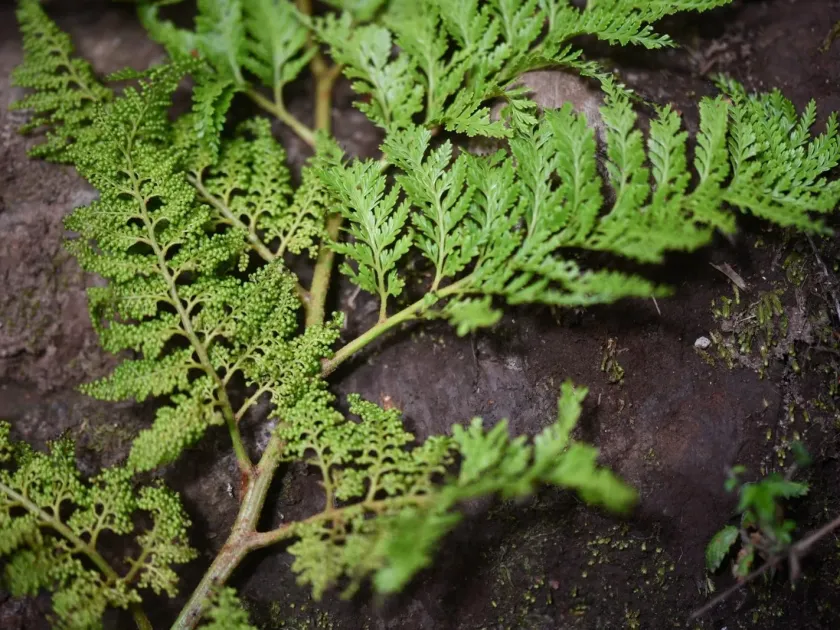
Description
Growing requirements
Thyrsopteris elegans is a rare, tree-like fern belonging to the monotypic family Thyrsopteridaceae. Native exclusively to the Juan Fernández Islands of Chile, this species is considered a botanical treasure due to its ancient lineage and highly specific ecological niche.
The plant requires a strictly temperate to cool maritime climate. It thrives in environments with high humidity and consistent fog, which mimics the natural oceanic influence of its home archipelago. It cannot tolerate arid conditions or significant heat fluctuations.
The cultivation substrate must be porous, acidic, and rich in organic matter. A well-balanced mixture of peat, perlite, and coarse tree bark is recommended to ensure optimal drainage while preventing the roots from drying out entirely.
Agrotechnical management requires precise monitoring of the greenhouse climate. Ideal growing conditions involve maintaining temperatures between 12°C and 18°C, while providing indirect, filtered light to prevent tissue scorch on the delicate fronds.
In terms of agricultural and horticultural utility, Thyrsopteris elegans is strictly an ornamental specimen for elite botanical collections. Due to its status as a narrow-range endemic, it serves primarily as a key subject for ex-situ conservation efforts and specialized academic research.
Main diseases and pests
The most significant threats to Thyrsopteris elegans in a managed environment include root rot pathogens like Phytophthora, which proliferate in stagnant, waterlogged soil. Proper air circulation and high-quality, free-draining media are essential preventions.
Common greenhouse pests, such as aphids and spider mites, can quickly impact the health of the fronds. Integrated pest management is crucial, emphasizing early detection and the use of gentle, non-phytotoxic horticultural soaps to control populations without damaging the fern's sensitive structures.