
Thylacospermum caespitosum
Thylacospermum caespitosum
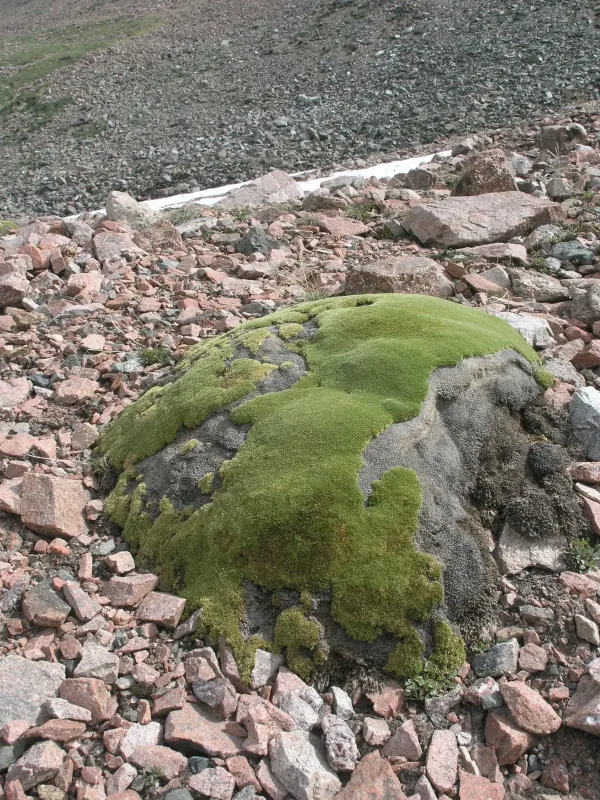
Description
Growing requirements
Thylacospermum caespitosum is a perennial species belonging to the Caryophyllaceae family. It is renowned for its distinct cushion-forming habit, a vital evolutionary adaptation that allows it to survive in the harsh, high-altitude environments of Central Asia.
The plant originates from the mountainous ranges where it thrives on rocky slopes, screes, and alpine meadows. These habitats provide the specific microclimate necessary for its slow growth and development, characterized by intense solar radiation and significant temperature fluctuations.
Cultivation of this species requires meticulous attention to drainage. In an artificial setting, the substrate must be highly inorganic, consisting primarily of gravel, grit, and sand to ensure that water never stagnates around the woody rootstock or the dense foliage.
It demands full sun exposure and is highly intolerant of shade. The plant relies on high light intensity to maintain its compact, cushion-like structure; otherwise, the branches become elongated and the plant loses its structural integrity and physiological hardiness.
Temperature requirements are centered on cool summers and very cold winters. The plant is exceptionally hardy, reflecting its native climate, but it is vulnerable to prolonged dampness during the transition periods of spring, which can lead to rapid physiological decline.
Main diseases and pests
The most critical threat to Thylacospermum caespitosum is the susceptibility to fungal crown and root rots caused by poor air circulation and excessive moisture. Once the internal structure of the cushion begins to rot, it is difficult to arrest the decay.
In addition to physiological disorders, the plant is susceptible to colonization by mosses and lichens if maintained in humid conditions, which can effectively smother the cushion and inhibit the gas exchange necessary for its survival in a competitive environment.