
Field Pennycress
Thlaspi arvense L.
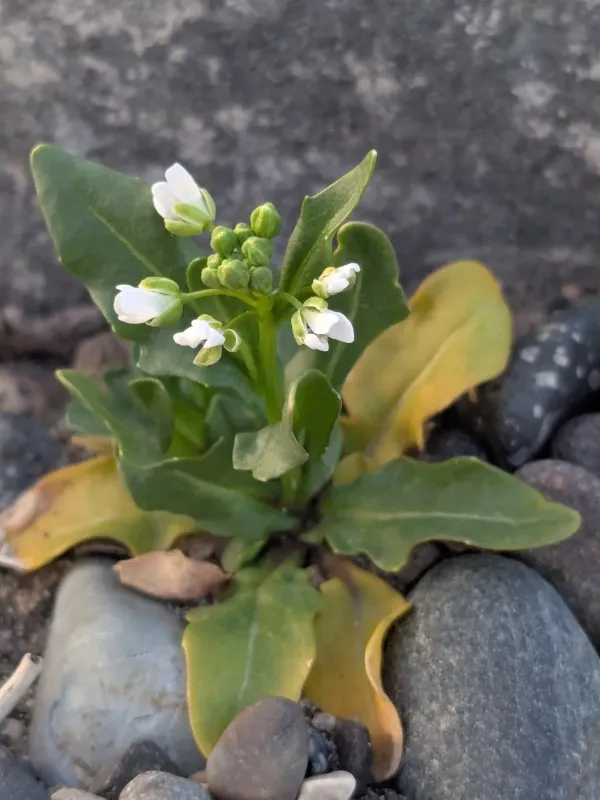
Description
Sowing dates
Field pennycress (Thlaspi arvense L.) is a member of the Brassicaceae family. It is a highly adaptable annual plant that can be managed as either a winter or summer crop depending on the sowing date and regional climate.
For spring sowing, it is advisable to plant as early as the soil conditions allow to take full advantage of moisture reserves. The plant exhibits impressive frost tolerance during the seedling stage.
Winter forms are sown in late summer or early autumn, allowing the plants to establish a robust rosette before the onset of dormancy. This establishment phase is crucial for ensuring early seed production in the following year.
The seeding depth should be shallow, ideally between 2 and 3 centimeters. Proper soil leveling is necessary to ensure consistent germination, as the seeds are quite small and sensitive to depth variation.
Optimal seeding rates typically range from 3 to 5 million viable seeds per hectare, adjusted based on the soil's fertility and the specific goals of the production system.
Growing requirements
The crop thrives on a variety of soil types, particularly loamy and chernozem soils. It prefers a pH range of 6.0 to 7.5 and shows good productivity even in moderate fertility conditions.
Field pennycress is well-known for its environmental plasticity, enabling it to survive in diverse climatic zones. It is particularly drought-tolerant once it has established a strong root system.
High light intensity is preferred for optimal growth. Shaded conditions or high-density planting can significantly reduce branching and the number of pods per plant, thus impacting overall yields.
It is highly resistant to cold temperatures, especially during the overwintering rosette phase, which allows it to persist under varying snow conditions without significant winterkill.
Adequate moisture during the active growth period is essential for biomass production, though the plant's deep taproot allows it to tap into deep soil moisture during dry spells.
Yield
As an oilseed crop, field pennycress is valued for the high oil content of its seeds, which can reach up to 35 percent. This makes it a potential candidate for biofuel and industrial oil production.
In standard field conditions with proper management, yields can range from 1.0 to 2.0 tons per hectare. Yield consistency is heavily dependent on favorable spring weather during the flowering phase.
The thousand-kernel weight of field pennycress typically falls between 1.5 and 2.5 grams. The seeds are characterized by a dark, textured surface that is distinct from other common oilseeds.
Strategic nitrogen fertilization applied in early spring can significantly boost seed yields by enhancing the plant's vegetative structure and supporting higher pod density.
The high reproductive capacity of the plant means that a single specimen can produce thousands of seeds, which are known for their long-term dormancy and viability in the soil seed bank.
Main diseases and pests
As a Brassicaceae species, field pennycress is susceptible to common cruciferous pathogens, including downy mildew (Peronospora) and alternaria leaf spot, which can spread in high-humidity conditions.
Pest pressures primarily include flea beetles, which can cause severe damage to cotyledons and young leaves, as well as pollen beetles that target developing floral buds.
Integrated pest management strategies are crucial for maintaining yield, utilizing targeted insecticides and fungicides during the susceptible vegetative and reproductive stages.
Bacterial infections can sometimes occur in waterlogged areas, leading to stem rot and reduced plant vigor. Proper field drainage is recommended to mitigate these risks.
- Flea beetles
- Pollen beetles
- Downy mildew
- Alternaria blight
Harvesting
Harvesting is typically conducted using a standard combine harvester when the seeds have turned dark and the pods have transitioned to a brownish-yellow hue, indicating maturity.
Timing is critical because the pods are prone to shattering. Harvesting should be performed promptly to minimize seed loss in the field due to wind or mechanical disturbances.
The moisture content of the seeds at harvest should ideally be around 12 to 14 percent. Post-harvest drying is often necessary to prevent spoilage during long-term storage.
Equipment adjustments, such as reducing cylinder speed and carefully setting the concave clearance, are vital to avoid crushing the small, delicate seeds during the threshing process.
Post-harvest cleaning using grain separators is essential to remove chaff, weed seeds, and other debris, ensuring that the final product meets market quality standards.