
Thaumatophyllum speciosum
Thaumatophyllum speciosum
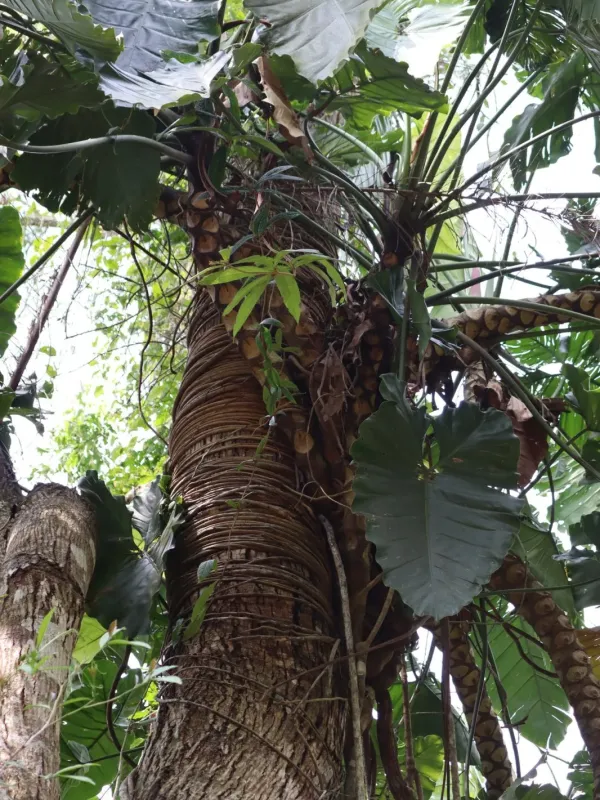
Description
Growing requirements
Thaumatophyllum speciosum is a robust, large-leaved perennial plant belonging to the Araceae family. Originating from the tropical rainforests of Brazil, it is highly valued for its striking, deeply lobed foliage and impressive architectural structure.
The plant requires a well-draining, nutrient-rich, and slightly acidic substrate to thrive. Commercial growers often utilize a mix of peat, pine bark, and perlite to maintain the ideal balance between aeration and water retention.
Regarding climate, this species demands warm temperatures ranging between 20°C and 28°C. It is intolerant of frost and requires stable environmental conditions to maintain its vigorous growth rate throughout the year.
Adequate moisture is essential for this culture; however, it should not be kept in waterlogged soil. Proper drainage is crucial to ensure that the root system remains healthy and free from oxygen deprivation.
Light requirements for the species involve bright, indirect sunlight. Exposure to direct afternoon sun can lead to leaf scorching, while insufficient light levels will significantly slow down development and cause leggy growth.
Main diseases and pests
Spider mites represent a major threat, particularly in environments with low humidity where they can rapidly colonize the undersides of the broad, leathery leaves.
Root rot, typically caused by Pythium or Phytophthora species, is a common hazard resulting from overwatering or inadequate soil drainage, requiring immediate horticultural intervention.
Mealybugs and scale insects may also infest the plant, hiding in the junctions between the petiole and the main stem, where they are difficult to reach with standard contact sprays.
Fungal leaf spots are frequently associated with poor air circulation and high humidity combined with low temperatures, necessitating better ventilation and fungicide application.
To maintain crop health, regular monitoring is advised. Integrated pest management (IPM) strategies, including biological controls and targeted systemic treatments, are the best methods for sustaining long-term vitality.