
Thaumatophyllum bipinnatifidum
Thaumatophyllum bipinnatifidum
Description
Growing requirements
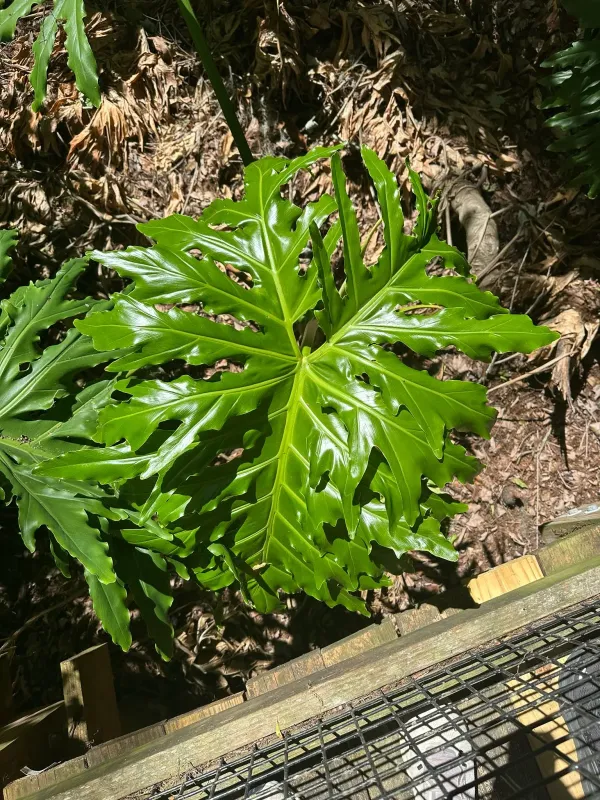
Thaumatophyllum bipinnatifidum is a prominent member of the Araceae family, native to the tropical rainforests of South America. It is widely cultivated for its large, deeply lobed leaves that serve as a hallmark of high-end interior landscaping and botanical displays.
The plant thrives in bright, filtered light. While it can tolerate lower light levels, growth rate significantly decreases. Direct sunlight should be avoided during the peak hours of the day to prevent leaf scorch, which can mar the aesthetic value of the foliage.
Cultivation requires a well-draining, nutrient-rich soil mix. A mixture of peat moss, perlite, and coarse bark is ideal to ensure sufficient aeration for the roots. Ensuring the container has adequate drainage holes is a critical step in preventing root rot.
Temperature requirements are consistent with tropical origins, ideally staying between 20°C and 25°C. The plant exhibits high sensitivity to cold drafts and should be kept away from HVAC vents or external doors during colder months to prevent thermal shock.
Watering frequency should be adjusted based on the substrate moisture level. Allowing the top third of the soil to dry out between waterings helps manage root health, while misting or humidity control mimics its native habitat, promoting healthier foliage development.
Main diseases and pests
Typical pests affecting this culture include spider mites, mealybugs, and scale insects. These pests often congregate in the crevices of petioles and on the undersides of leaves, necessitating vigilant inspection and immediate isolation of affected specimens.
Fungal pathogens such as root rot (Phytophthora spp.) are the primary threat to longevity. This is almost exclusively linked to poor drainage and overwatering, which creates an anaerobic environment unfavorable for the root system.
Management of these threats involves a combination of cultural practices and chemical interventions. Using neem oil or insecticidal soap is effective for early-stage infestations, whereas severe cases may require systemic insecticides to ensure total eradication.
Nutrient deficiencies, specifically nitrogen and magnesium, can manifest as leaf chlorosis. Implementing a balanced liquid fertilizer program during the growing season is essential for maintaining vibrant green coloration and robust plant structure.
Biosecurity measures, including cleaning tools with isopropyl alcohol and sourcing clean potting media, are fundamental to preventing the introduction of pathogens into a production or collection space.