
Cape thatching reed
Elegia tectorum (L. f.) Moline & H. P. Linder
Description
Growing requirements
Cape thatching reed (Elegia tectorum) is a distinctive perennial plant belonging to the Restionaceae family. Originally native to the Western Cape of South Africa, it is widely recognized for its architectural beauty.
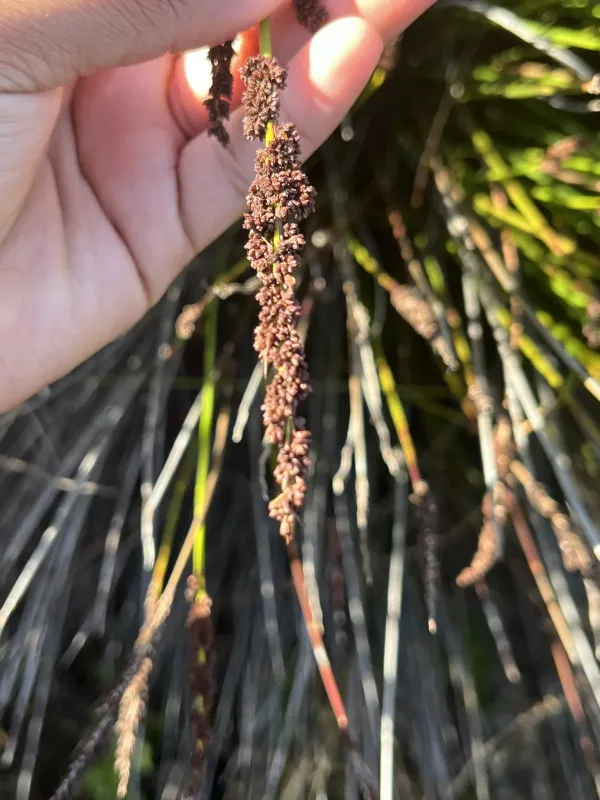
The plant features upright, dark green stems with dark sheaths, forming dense and attractive tufts. It can grow up to 1.5 meters tall, providing a significant vertical element in garden landscapes.
It thrives in full sun and requires well-drained, acidic, sandy soils. While the plant is notably drought-tolerant once established, it benefits from occasional watering during intense dry spells.
Regarding climate, it prefers regions with mild winters, as it is not fully hardy in extremely cold climates. It is highly valued for its ability to withstand coastal conditions and salt-laden winds.
When cultivating this species, it is essential to ensure that the site provides excellent air circulation. The soil should be low in phosphorus, as restios can be sensitive to fertilizers typically used for other crops.
Main diseases and pests
Elegia tectorum is remarkably free from serious pests and diseases. The most common threat to the plant's health is root rot, which typically occurs due to poor soil drainage or excessive irrigation.
In confined or poorly ventilated environments, plants may occasionally be prone to infestations of aphids or spider mites. Regular inspections are recommended to catch any issues at an early stage.
Fungal issues are rare and are usually linked to high humidity or stagnation of water around the base of the plant. Ensuring that the soil surface remains free of excess debris is a standard preventive measure.
Weed control is primarily necessary during the establishment phase, as the young reed may be outcompeted by aggressive grasses. Once mature, the dense growth habit usually suppresses competing weeds.
Avoid heavy use of synthetic fertilizers, as they can cause rapid, weak growth that may invite opportunistic pests or compromise the structural integrity of the stems.
Harvesting
The primary use of the Cape thatching reed is ornamental, favored for its striking, formal structure that maintains its appeal throughout all seasons of the year.
For floristry, the stems are harvested once they have matured and gained sufficient structural rigidity. They are highly sought after for contemporary dried flower arrangements and architectural decor.
The species name tectorum refers to the historical use of this plant for thatching rooftops in South Africa. The durable nature of the dried stems makes them an excellent natural material.
Maintenance harvesting, or pruning, is typically conducted in late winter or early spring to remove aged stems and make room for fresh new growth in the central part of the tussock.
The plant is long-lived and does not require frequent division. Once established, it remains a stable and decorative feature in the landscape for many years with minimal intervention.