
Black-eyed Susan (Tetratheca thymifolia)
Tetratheca thymifolia Sm.
Description
Growing requirements
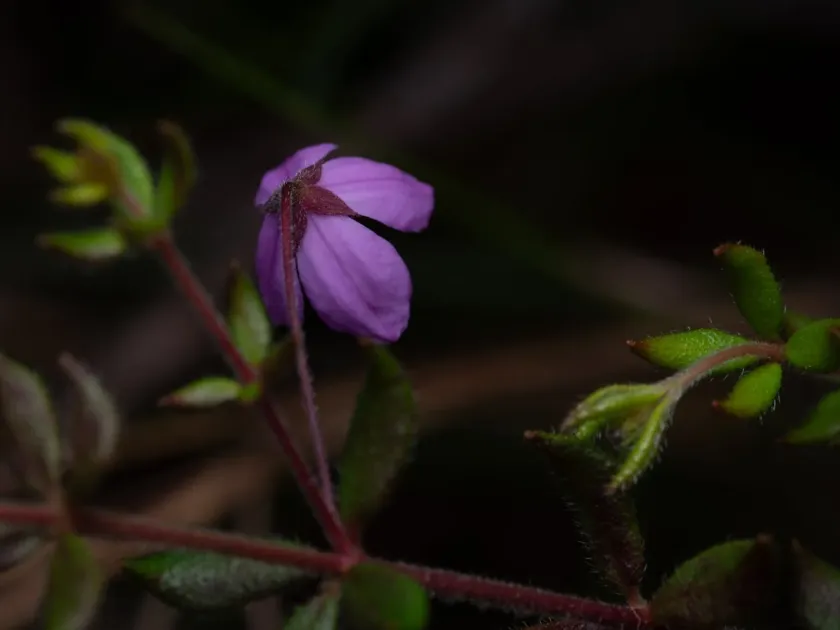
Tetratheca thymifolia, commonly known as a type of black-eyed Susan, is an ornamental shrub belonging to the Elaeocarpaceae family. It is a native species of eastern Australia, naturally occurring in heathlands and open forest clearings.
The plant is botanically distinguished by its narrow, thymelike foliage that covers the stems in a dense, evergreen pattern. Its most striking feature is its bell-shaped flowers, which typically emerge in shades of pink, purple, or deep mauve during the flowering season.
Successful cultivation requires well-draining, acidic, and sandy soil conditions. As an Australian native, the species is particularly sensitive to root rot, necessitating excellent drainage in both garden beds and container environments.
The plant thrives in semi-shaded positions where it is protected from harsh, direct sunlight and strong winds. It is ideally suited for temperate climates or as a potted specimen in cooler regions where it can be moved indoors during extreme frost.
In landscaping, it serves as a valuable decorative element for rock gardens, native plant displays, and containers. Its compact habit and prolific flowering make it a preferred choice for gardeners seeking to add a unique Australian aesthetic to their green spaces.
Main diseases and pests
Root rot is the most significant threat to Tetratheca thymifolia, primarily caused by waterlogged soil conditions or poor drainage. This fungal issue can be fatal if the moisture balance in the root zone is not carefully managed.
Pests such as spider mites and scale insects represent the most common biological threats, especially when the plant is kept in dry, indoor environments. These pests can rapidly affect the health and vigor of the foliage.
To mitigate disease risks, it is essential to ensure proper air circulation and to avoid overhead watering. Using organic or synthetic fungicides may be necessary if persistent damp conditions lead to leaf spot or fungal outbreaks.
Managing pests involves regular inspection of the undersides of the leaves. Applying appropriate horticultural oils or systemic insecticides can help keep pest populations under control without damaging the delicate plant tissue.
Proactive care, including the removal of dead flower heads and the application of fertilizers specifically formulated for native plants, significantly enhances the plant's natural resistance and overall resilience.