
Tetraselago natalensis
Tetraselago natalensis
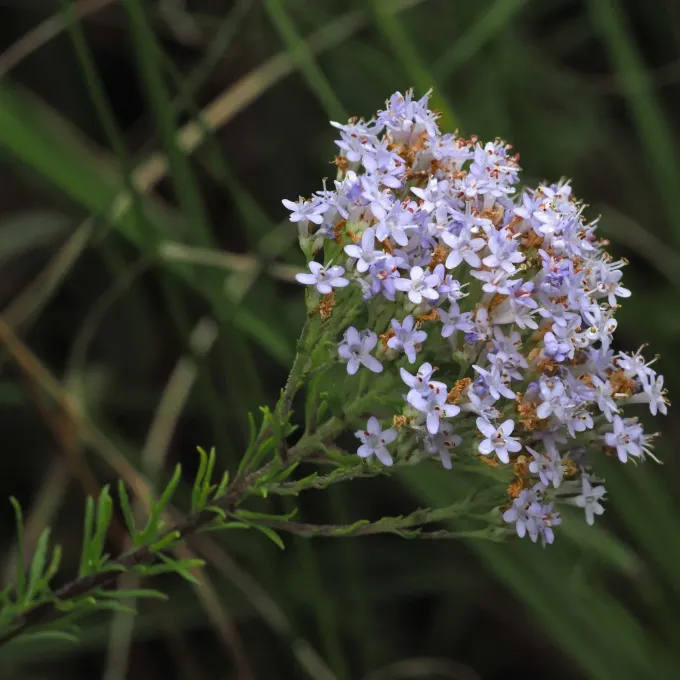
Description
Growing requirements
Tetraselago natalensis is a perennial herbaceous plant belonging to the Scrophulariaceae family. Originating from South Africa, this plant has adapted to survive in diverse open environments, particularly along grassy slopes where the climate is temperate and stable.
The botanical structure of the plant features upright stems adorned with narrow, linear leaves. Its most distinctive characteristic is the dense, spike-like inflorescence, which adds significant visual appeal and makes it a sought-after subject for botanical study and specialized gardening.
Regarding soil requirements, the species thrives in well-drained, sandy, or rocky substrates. It is essential to ensure that water does not accumulate around the roots, as the plant is highly susceptible to rot if maintained in consistently waterlogged conditions.
Sunlight exposure is a critical factor for the healthy development of Tetraselago natalensis. It is an heliophilic plant that performs best in full sun, requiring locations that allow it to maximize its photosynthetic capacity while remaining sheltered from harsh, drying winds.
In terms of agricultural and horticultural use, the plant is valued for its hardiness in low-fertility soils and its ability to withstand short periods of drought. It serves as an excellent candidate for sustainable landscaping in regions that mimic its native climatic conditions.
Main diseases and pests
The primary threat to the health of Tetraselago natalensis is the mismanagement of irrigation. Excess moisture is the leading cause of root-related pathogens, which can rapidly compromise the integrity of the plant's vascular system.
Pest pressure is mainly attributed to sap-sucking insects like aphids. These pests target tender new growth, and if left unchecked, they can cause stunted development and transmit secondary viral infections that affect overall plant vigor.
Fungal issues, such as powdery mildew, often occur when plants are grown in environments with poor air circulation or high atmospheric humidity. Maintaining spacing between plants is an effective preventive strategy against these infections.
Routine maintenance, such as the pruning of senescent stems and leaves, is vital for plant hygiene. This practice reduces the presence of decaying organic matter, which can serve as a breeding ground for spores and harmful insects.
Weed management should be conducted consistently to eliminate competition for nutrients and space. By keeping the area clear of competing species, the plant's resistance to environmental stress and disease is significantly improved.