
Tetrachne dregei
Tetrachne dregei
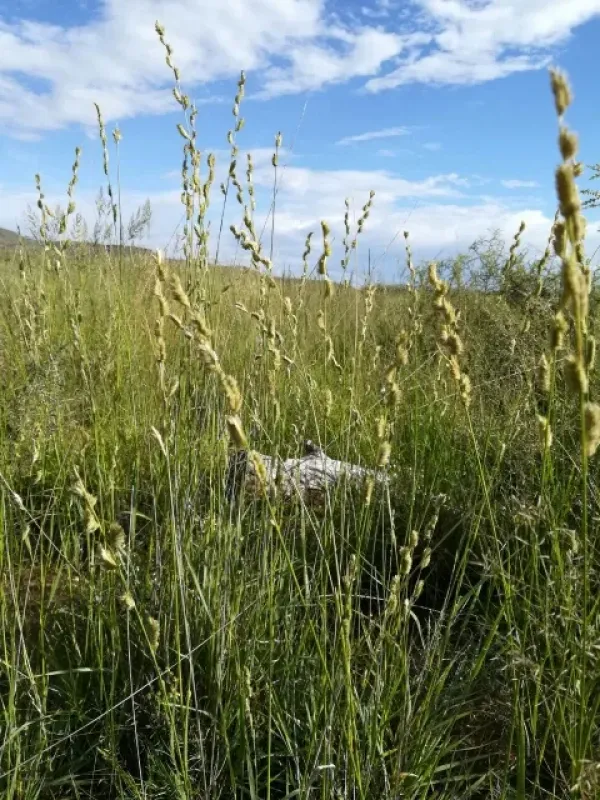
Description
Growing requirements
Tetrachne dregei is a perennial grass belonging to the Poaceae family. This species is recognized for its dense tuft growth habit and its ability to thrive in challenging environments where other forage grasses might struggle to persist.
Originating from the southern regions of Africa, this grass is well-adapted to high-altitude plateaus and arid conditions. Its evolutionary history in these regions has equipped it with strong drought-tolerance mechanisms and resistance to significant temperature fluctuations.
The plant thrives best in well-drained loamy soils but displays remarkable resilience across various soil types, provided that waterlogging is avoided. Proper drainage is essential, as the root system is sensitive to prolonged anaerobic conditions common in poorly managed lands.
Agronomic practices for this culture emphasize the need for adequate seedbed preparation to ensure proper establishment. Once established, it requires minimal intervention, making it a sustainable choice for long-term pasture development in arid and semi-arid climates.
Utilized primarily for forage, it provides high-quality grazing material for livestock. Its nutritional profile, combined with a vigorous regrowth capacity after mowing or grazing, makes it a valuable asset for maintaining farm productivity throughout the dry season.
Main diseases and pests
The primary health threats for this culture include fungal infections, particularly leaf rusts that can emerge during seasons with high humidity or poor canopy ventilation. Preventive measures include ensuring appropriate planting density and rotating grazing plots.
Pest management should focus on monitoring for common grass-feeding insects, such as locusts or aphids, during the peak growing season. Early identification and local control strategies are effective in preserving the health of the stand and ensuring optimal biomass yields.