
Tetracentron
Tetracentron sinense
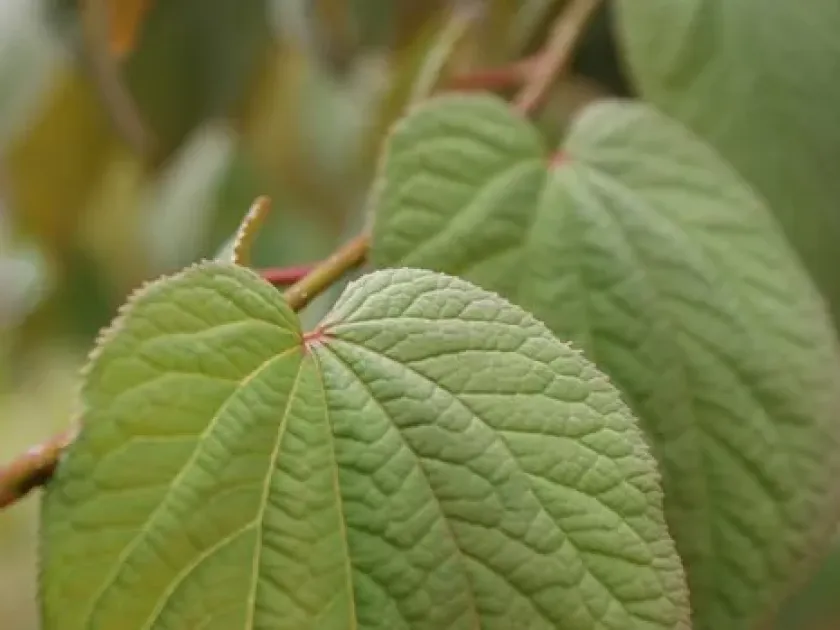
Description
Growing requirements
Tetracentron sinense is a remarkable relic tree and the sole species within the Tetracentraceae family. It is botanically significant due to its primitive wood structure, which completely lacks vessels, a trait rarely found in modern angiosperms.
Originating from the mountainous forests of China, Nepal, and Vietnam, this species thrives in cool, humid environments. In cultivation, it performs best in sheltered locations that are protected from harsh, drying winds and excessive direct summer sunlight.
The tree requires fertile, well-draining soil with a neutral to slightly acidic pH. Proper soil preparation is essential, as the roots are highly susceptible to rot if exposed to waterlogged conditions, yet they also require consistent moisture to remain healthy.
Climate is a major limiting factor for this species; it prefers regions with mild winters and high humidity levels. In colder zones, growers often use container gardening methods, bringing the tree indoors or providing substantial protection during frost events.
While not a common agricultural crop, Tetracentron sinense is highly valued by dendrologists and landscape designers. It serves as an excellent specimen tree for botanical gardens and specialized arboretums, adding historical and aesthetic value.
Main diseases and pests
The most significant threat to the health of Tetracentron sinense is root fungal infection, typically caused by improper watering practices. Ensuring excellent drainage and avoiding over-saturation of the root zone are crucial preventative steps.
Pests such as aphids and spider mites can infest the foliage, particularly if the plant is grown in low-humidity environments. Regular monitoring of the underside of leaves and maintaining optimal humidity levels help to keep these populations in check.
Nutrient deficiencies, particularly iron or magnesium chlorosis, can occur if the soil pH becomes too alkaline. Periodic soil testing and the application of balanced micronutrient fertilizers are recommended to maintain vibrant foliage color and vigor.
Bark wounds are vulnerable sites for opportunistic pathogens and pests. Any necessary pruning should be performed using sanitized tools, with cuts sealed appropriately to prevent the entry of decay-causing organisms or disease.
Given its status as a rare species, conservation through propagation is vital. Proper nursery management involves mimicking the natural forest floor conditions, which helps minimize plant stress and susceptibility to environmental pests.