
Tephrosia lupinifolia
Tephrosia lupinifolia
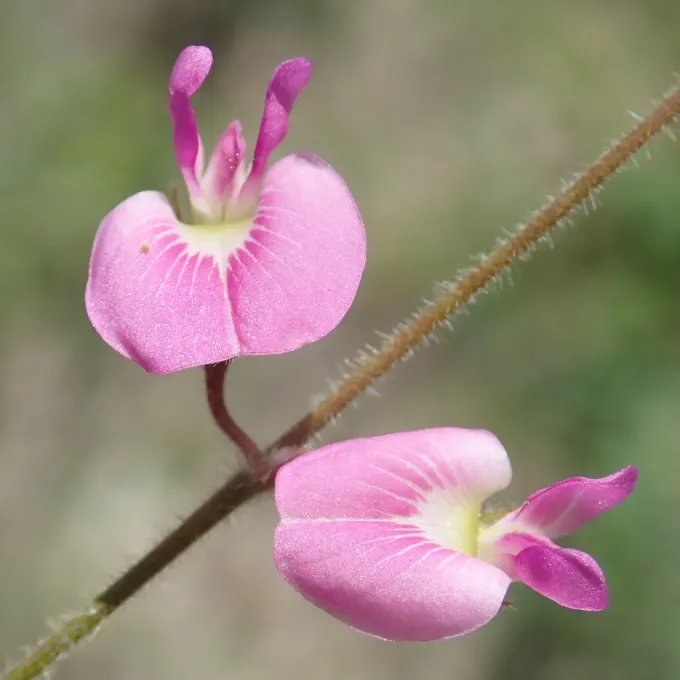
Description
Sowing dates
Sowing Tephrosia lupinifolia is typically carried out at the beginning of the rainy season to ensure optimal soil moisture levels for seed germination. In tropical climates, timing the sowing to align with the start of reliable rains is crucial for successful establishment.
Seeds should be sown at a depth of 2 to 3 centimeters, depending on the soil texture. Mechanical or acid scarification of the seeds is often recommended to improve germination rates, as the seed coats of this species are naturally robust and hard.
The planting pattern depends on the intended agricultural objective. When grown for green manure, seeds are usually broadcasted or drilled at a higher density to create a thick vegetative cover that effectively suppresses weeds and prevents soil erosion.
Early-stage growth is relatively slow, making weed management essential during the first few weeks after emergence. Once the plants develop a sufficient leaf canopy, they become highly competitive and naturally shade out competing weed species.
Inoculation with appropriate nitrogen-fixing bacteria is highly recommended to maximize the crop's performance. Establishing effective symbiotic relationships with rhizobia allows the plant to thrive even in nutrient-deficient soils, enhancing overall productivity.
Growing requirements
Tephrosia lupinifolia thrives in well-drained sandy or sandy-loam soils. It shows remarkable adaptation to low-fertility environments where other leguminous crops might fail to grow or struggle to produce sufficient biomass.
Once established, the species is known for its impressive drought tolerance. Its deep and extensive root system allows the plant to access moisture from deeper soil layers, maintaining growth even during extended dry spells.
The optimal temperature range for active vegetative development is between +22 and +30 degrees Celsius. Extreme temperatures and frost are detrimental to the plant, potentially causing stunting or complete death of the crop in cooler regions.
The crop prefers slightly acidic to neutral soil pH levels. It is highly sensitive to waterlogging and poor drainage, which can lead to root system decay and poor plant vigor. Proper field selection for drainage is a prerequisite for successful cultivation.
Ample sunlight is vital for the development of healthy plants. As a sun-loving species, Tephrosia lupinifolia requires open areas and should not be planted in shaded spots, as light deficiency will significantly reduce biomass accumulation.
Yield
The potential yield of green biomass is largely dictated by soil fertility and the availability of water throughout the growing season. Under favorable conditions, the crop produces significant organic matter, which can be incorporated into the soil as green manure.
The nitrogen-fixing capacity of this plant is a significant asset in sustainable farming systems. By incorporating the biomass into the soil, farmers can naturally increase the levels of organic matter and available nitrogen for subsequent crops.
Seed production is characterized by a staggered maturation process, which makes harvest timing challenging. Producers must monitor the pods closely to prevent dehiscence, as seeds can be lost if harvesting is delayed until after the pods have dried and split.
Occasional pruning or mowing can stimulate branching and increase the total yield of green foliage over the season. This practice is particularly beneficial if the plant is managed as a semi-permanent cover crop within an orchard or plantation.
The economic value of Tephrosia lupinifolia lies in its ability to reduce dependency on synthetic nitrogen fertilizers. By enhancing soil quality and providing organic nitrogen, it contributes to long-term farm sustainability and lower production costs.
Main diseases and pests
Fungal diseases are the primary threats, particularly in high-humidity conditions where airflow is restricted. Root rots are common consequences of poor field drainage and excessive soil moisture, which should be managed through site selection.
Insect pests, such as leaf-eating beetles, can cause significant damage to young seedlings and foliage. Integrated pest management strategies, including regular field scouting and biological control, help to keep pest populations at manageable levels.
While less common, viral diseases may be transmitted by sap-sucking insects. Controlling vector populations is an essential part of maintaining a healthy stand of plants and preventing the spread of infections across the field.
Nematodes, which inhabit the soil, can pose a risk to the root system, especially in light, sandy soils. Implementing crop rotation cycles helps disrupt the lifecycle of these pests, reducing the need for chemical soil treatments.
Weed competition during the initial growth phase remains a significant risk. Maintaining a clean field during the early stages allows the Tephrosia to establish a dominant canopy, effectively securing the investment in the crop stand.