
Tasmannia purpurascens
Tasmannia purpurascens
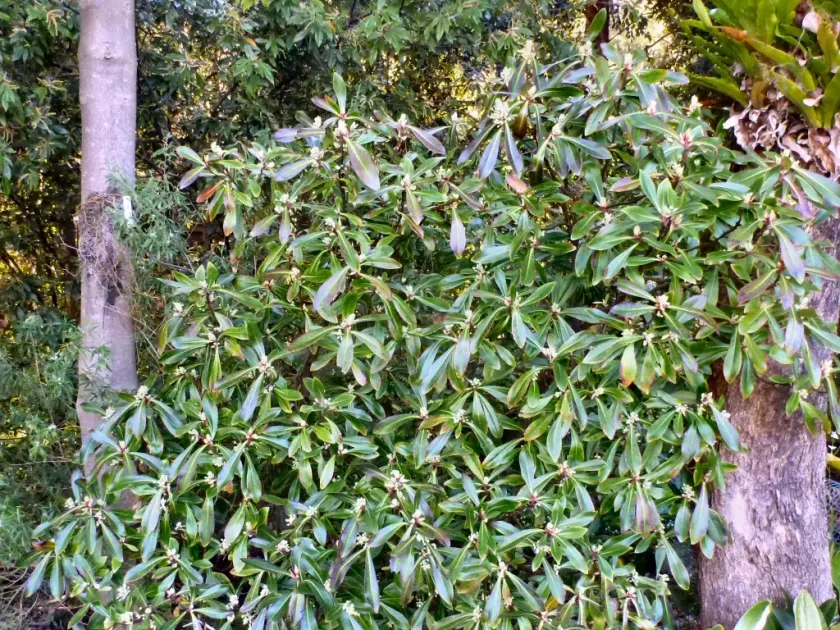
Description
Sowing dates
The propagation of Tasmannia purpurascens is primarily achieved through seed sowing or stem cuttings in a controlled environment. Spring is the ideal season to initiate sowing, providing the plant with enough time to establish before the arrival of extreme seasonal temperatures.
For seed germination, a high-quality, well-draining organic substrate is essential. Seeds often benefit from a period of cold stratification, which mimics their natural environmental cycle and significantly improves germination rates.
Seeds should be sown on the surface and lightly pressed into the medium, as light exposure is often required to trigger growth. The moisture level of the substrate must be kept consistent, avoiding both extreme dryness and waterlogging.
Stem cuttings are best collected in late summer, selecting healthy, semi-hardwood growth. The use of rooting hormones and a high-humidity propagation chamber can greatly increase the chances of successful development.
Once seedlings or rooted cuttings have reached a sufficient size, they should be transplanted into their permanent location only after the risk of frost has passed to prevent damage to the developing root system.
Growing requirements
Tasmannia purpurascens belongs to the Winteraceae family and is native to the cool, high-altitude regions of Australia. The plant thrives in environments that provide high humidity and protection from harsh, direct sunlight.
Soil requirements include a preference for acidic, humus-rich soil with excellent drainage. Poorly draining soils are detrimental to this species and will quickly lead to root decay and overall health deterioration.
The optimal temperature range for this plant is between 15 and 22 degrees Celsius. In warmer climates, it is essential to provide shade and use overhead misting to maintain the necessary ambient moisture levels for the foliage.
Watering should be conducted carefully, maintaining consistent moisture without saturating the soil. During the peak growing season, light, diluted organic fertilizers can be applied to support steady plant growth.
Due to its moderate frost tolerance, the plant is often best suited for container cultivation in cooler regions, allowing it to be moved to a sheltered area during winter months to protect it from freezing temperatures.
Main diseases and pests
The most common threats to Tasmannia purpurascens involve fungal diseases, which are typically encouraged by poor air circulation and excessive humidity. Stagnant air environments should be strictly avoided.
Root rot remains the most serious threat to the plant's survival. Preventive measures such as choosing well-draining potting mixes and monitoring moisture levels are crucial to maintaining a healthy root system.
Pests such as scale insects and spider mites may target the plant, particularly if it is grown in conditions with insufficient humidity. Regular inspections of the undersides of leaves are necessary for early detection.
Management of pests should focus on biological control agents or soft-soap sprays to avoid harming the plant's delicate tissues. Chemical interventions should be used sparingly and only as a last resort.
Maintaining high standards of garden hygiene, including the removal of dead foliage and providing adequate space between plants, helps to minimize the risk of pest outbreaks and the spread of fungal spores.