
Tarenna borbonica
Tarenna borbonica (Hend. & A. A. Hend.) Verdc.
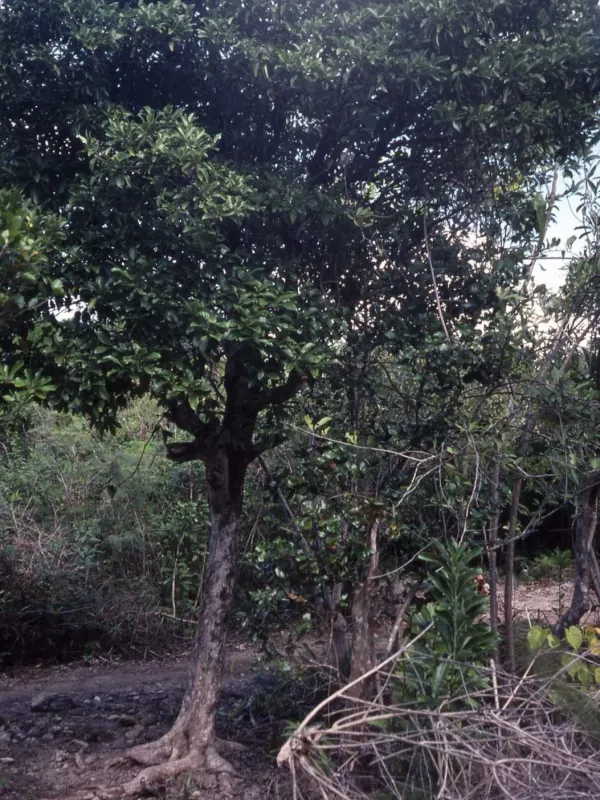
Description
Growing requirements
Tarenna borbonica is an evergreen shrub belonging to the Rubiaceae family. Native to the Mascarene Islands, specifically Réunion, this plant is characterized by its glossy foliage and elegant growth habit.
In its natural habitat, the plant thrives in tropical forest environments with high humidity and consistent temperatures. It typically develops into a dense, multi-branched shrub, which is highly valued for ornamental purposes.
For successful cultivation, Tarenna borbonica requires fertile, well-draining soil with an slightly acidic to neutral pH. Proper soil structure is essential to prevent root asphyxiation, a common issue in pot-grown specimens.
The plant prefers filtered light or partial shade. Exposure to intense, direct sunlight can result in leaf scorching, so it is recommended to place the plant in a position where light is soft and indirect throughout the day.
The primary use of this species is within botanical collections and interior landscaping. Due to its slow growth rate, it is an excellent choice for individuals who appreciate low-maintenance but exotic-looking indoor plants.
Main diseases and pests
Common pests affecting Tarenna borbonica include mealybugs and scale insects. These pests often congregate on the undersides of leaves and along the stems, feeding on plant sap.
Fungal leaf spot diseases may occur in high-humidity environments with poor air circulation. Symptoms usually appear as small, discolored lesions on the leaves, which can spread if not treated promptly.
Root rot is a critical threat typically associated with overwatering or poor drainage. Ensuring that the pot or planting site has an adequate drainage system is the most effective preventative measure.
Spider mites are another frequent problem, especially in indoor environments where the air is excessively dry. Regular misting and maintaining proper humidity levels help mitigate the risk of infestation.
Effective pest and disease management involves regular plant inspections, the use of systemic insecticides if necessary, and maintaining clean growing conditions to prevent the accumulation of pathogens.