
Dandelion
Taraxacum officinale F. H. Wigg., s.l.
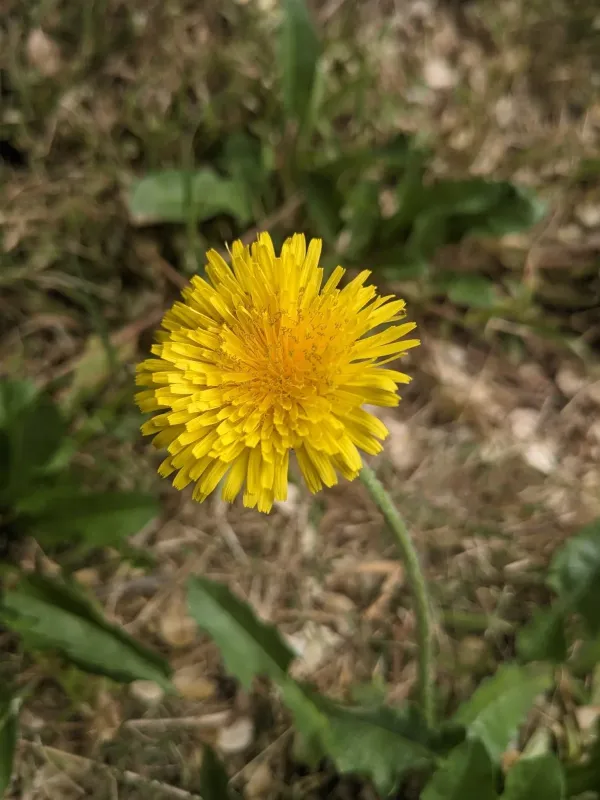
Description
Sowing dates
The dandelion (Taraxacum officinale) is a herbaceous perennial plant belonging to the Asteraceae family. It is increasingly recognized as a valuable crop for the pharmaceutical and food industries due to its nutrient profile.
Seeds are typically sown in late autumn or early spring. Sowing should be shallow, at a depth of 1–2 centimeters, ensuring the soil remains moist to facilitate germination within the first two weeks.
In the first year, the plant develops a significant taproot and a rosette of leaves. It is essential to keep the area free of competing weeds during this initial phase to allow the dandelion plants to establish a strong root system.
For commercial production, a row spacing of 30 to 45 centimeters is recommended. This setup facilitates mechanical weeding, fertilization, and efficient harvesting of both the greens and the roots.
The seeding rate is approximately 2–3 kilograms per hectare, depending on seed quality. Uniform distribution is crucial for achieving high yield densities across the entire field.
Growing requirements
Dandelions are highly adaptable to various environments. They thrive in open, sunny locations with fertile, well-draining soil, such as loams or sandy-loam types, which are ideal for root expansion.
The crop is extremely cold-hardy, capable of surviving harsh winters with minimal protection. This makes it a reliable perennial option for growers in temperate zones across the globe.
While dandelions are drought-tolerant once established, consistent soil moisture promotes rapid growth and larger root biomass. Excessive saturation should be avoided to prevent root rot issues.
Organic soil amendments are highly beneficial for dandelion health. The plants respond well to well-rotted compost, which improves the structure of the soil and provides necessary micronutrients for steady growth.
The ideal temperature for active growth ranges between 15 and 25 degrees Celsius. The plant is remarkably stable and remains productive across a variety of weather patterns during the growing season.
Yield
The productivity of dandelion fields depends on the age of the crop. For root production, it is most common to harvest at the end of the second year when the plant has accumulated maximum inulin content.
A typical harvest can yield 5 to 10 tons of dried roots per hectare. The green foliage can be harvested multiple times during the season, providing a steady supply for fresh market sales or herbal processing.
Optimal plant density significantly impacts the final yield. Providing enough space for root development without overcrowding ensures that each plant reaches its full potential, leading to higher-quality commercial output.
Selection of high-yield varieties is a key strategy for increasing profitability. Modern cultivars are optimized for root size, high latex content, and overall uniformity during mechanical harvesting.
Post-harvest weight loss during the drying process is substantial, often reaching 70–80 percent. Growers must account for this when managing drying facilities and logistical planning for their harvest.
Main diseases and pests
Dandelions are generally robust, but they can be susceptible to powdery mildew in warm, humid conditions. Proper airflow through the rows is the primary preventive measure against fungal outbreaks.
Leaf rust can also occur if humidity remains too high for extended periods. Monitoring for early signs and removing affected plant parts can help contain the spread of the disease effectively.
Pests like aphids can attack young leaves during the early spring flush. While chemical pesticides are rarely necessary, integrated pest management practices are recommended to maintain ecological balance.
Root rot is the most serious threat, usually caused by stagnant water or poor drainage. Ensuring the soil is light and well-draining is the best way to prevent fungal pathogens from affecting the root system.
Field inspections should be a regular part of the maintenance routine. Catching problems early allows for localized management, preventing the need for broad-spectrum treatments that could affect organic certification.
Harvesting
The best time to harvest dandelion roots is late autumn, after the foliage has died back. At this stage, the plant has stored all its energy in the root, resulting in higher quality material.
Mechanical harvesting is typically performed using specialized root lifters or modified potato diggers. The equipment must be calibrated to a depth that ensures the extraction of the entire taproot.
Immediately after lifting, the roots must be thoroughly washed to remove soil. Cleanliness is paramount to prevent bacterial growth and to ensure the final product meets commercial standards.
Drying is a critical step, performed at temperatures below 50 degrees Celsius to preserve the delicate chemical composition of the plant. Once dry, the roots should be brittle and easily snapped.
Storage requires a cool, dry, and dark environment to maintain quality for up to three years. Proper packaging is essential to keep moisture and pests away from the dried medicinal stock.