
Velvet Tamarind
Dialium indum L.
Description
Sowing dates
Propagation of the velvet tamarind is typically done through seeds, which should be scarified before planting to enhance germination rates. A warm, humid environment is critical during the initial germination phase.
Sowing should take place in well-draining, nutrient-rich soil. Seedlings require careful attention to moisture levels, ensuring the substrate remains damp but never waterlogged to prevent root rot.
Providing shade for young saplings during their first year is essential, as direct sunlight can cause significant leaf damage. As the tree matures, it becomes more resilient to full sun conditions.
Transplanting into the permanent location should be done once the tree has established a strong root system and reached a height of about 50 centimeters. Spacing between trees should be sufficient for mature canopy growth.
The velvet tamarind is a slow-growing species, meaning that orchards require a long-term commitment. However, once established, the tree can remain productive for several decades.
Growing requirements
Belonging to the Fabaceae family, the velvet tamarind thrives in tropical regions with high rainfall. It is perfectly adapted to humid environments and performs best in consistent temperature ranges.
The ideal soil for this species is deep, fertile, and well-draining, with a neutral to slightly acidic pH. Avoiding heavy clay soils that retain excess moisture is crucial for tree health.
Adequate water supply is necessary, especially during the dry season. While the tree can tolerate brief periods of drought once mature, supplemental irrigation significantly improves fruit development.
Wind protection is an important aspect of cultivation, as strong gusts can cause limb breakage and reduce fruit quality. Planting windbreaks around the orchard is a recommended practice.
Regular fertilization with organic matter enhances soil fertility and promotes vigorous growth. Proper spacing ensures adequate air circulation around the canopy, reducing the risk of disease.
Yield
The velvet tamarind usually begins to bear fruit after five to seven years of growth. Mature trees are capable of producing substantial yields, providing dozens of kilograms of fruit annually.
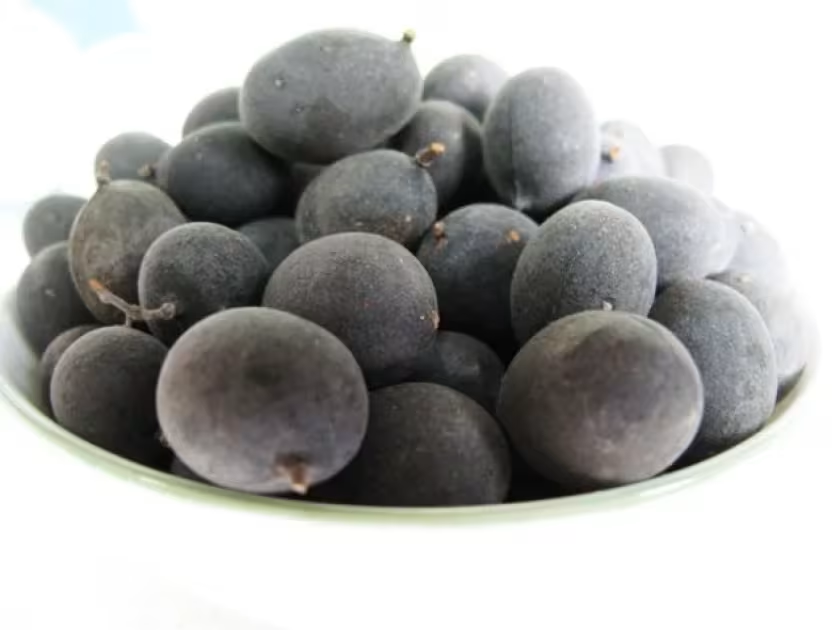
The fruits consist of a hard, velvety black shell enclosing a tart, orange pulp. This pulp is highly prized for its unique flavor and is consumed fresh or used in various food applications.
Harvesting is labor-intensive, requiring manual collection of the pods once they reach maturity. The yield is influenced by rainfall patterns and the overall vigor of the tree.
In terms of economic use, the fruit is widely consumed as a snack or processed into beverages and jams. The high demand in local markets makes it a viable crop for smallholder farmers.
Optimization of fruit quality through selective breeding and improved agricultural techniques is an ongoing area of research for many tropical regions.
Main diseases and pests
Fungal diseases are the primary threat, particularly during periods of high humidity. Regular pruning helps to maintain airflow through the canopy, significantly reducing the likelihood of infection.
Common pests such as aphids, mealybugs, and scale insects can attack tender growth. Integrated pest management strategies, including biological controls, are preferred over broad-spectrum chemicals.
Nematodes in the soil can potentially damage the roots. Incorporating organic mulch and maintaining healthy soil microbial activity helps to keep nematode populations at manageable levels.
Anthracnose may affect the foliage and fruit, causing spotting. Monitoring and timely removal of infected parts are essential practices for maintaining a healthy and productive orchard.
Sustainable pest management is vital to preserve the ecosystem around the tamarind trees. Using targeted treatments helps protect beneficial pollinators and natural predators of the pests.
Harvesting
Harvesting the velvet tamarind requires caution, as the shell is fragile. Collectors typically look for mature fruits that have darkened and can be easily removed from the branches.
Handling the harvested pods with care is essential to prevent cracking or bruising. Proper storage containers that allow for ventilation are recommended to maintain fruit quality.
After picking, the fruits should be stored in a cool, dry area to prevent mold growth. Keeping them away from direct heat sources extends their shelf life significantly.
Traditionally, drying the fruit is an effective way to store the harvest for long periods. Dried velvet tamarind remains a popular treat that is shelf-stable and easy to transport.
By implementing efficient harvesting and post-harvest handling practices, growers can maximize the market value of their crop and minimize losses due to spoilage.