
Tamarind
Tamarindus indica L.
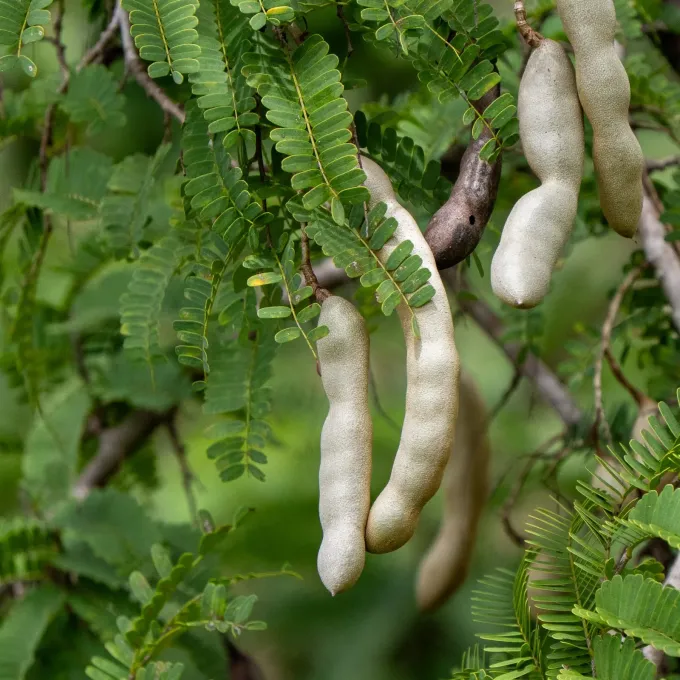
Description
Sowing dates
Propagation of the tamarind (Tamarindus indica L.) is most often carried out by seeds. The seeds remain viable for several months, but to accelerate germination, it is recommended to scarify them or soak them in warm water for 24 hours.
Sowing is performed in a loose, nutrient-rich substrate at a depth of about 2–3 centimeters. The optimal temperature for seed germination is between +25 °C and +30 °C, under which the first sprouts appear within 10–15 days.
In commercial cultivation, vegetative propagation, particularly grafting, is practiced to preserve the specific varietal traits of the parent plant and to shorten the time until the tree enters its fruiting phase.
Young seedlings require shading during their first months of life, as intense direct sunlight can cause burns on the delicate leaves and slow down the development of the root system.
Transplanting to a permanent location in the open field is carried out once the seedling reaches a height of 50–60 cm and becomes established, which typically occurs by the end of the second year of growth.
Growing requirements
The tamarind is a heat-loving plant belonging to the Fabaceae family, native to the tropical regions of Africa and Asia. Successful growth requires consistently high temperatures and a long photoperiod.
The plant is quite demanding regarding soil conditions: it prefers deep, well-drained alluvial soils with a neutral or slightly acidic pH level. Excessive soil moisture in the root zone is extremely undesirable as it leads to rot development.
The crop is highly drought-tolerant; however, to obtain a commercial fruit yield, regular irrigation is essential during periods of active growth and flowering.
Adult trees can withstand short periods of drought but are sensitive to freezing temperatures. Even light frosts can lead to the death of young shoots and severe damage to the tree canopy.
For optimal canopy development, it is recommended to choose sites protected from strong winds, as the wood of the tamarind, while strong, is prone to breakage during storm gusts.
Yield
The productivity of the tamarind depends directly on the age of the tree and the growing conditions. On average, full fruiting begins in the 7th to 10th year of life for trees grown from seeds.
A single mature tree in favorable conditions can yield between 150 and 200 kilograms of fruit per year. The harvest consists of curved brown pods with a sweet-and-sour pulp.
Tamarind fruits are used in the food industry to create sauces, pastes, and beverages, as well as in the pharmaceutical industry due to the high content of organic acids and vitamins.
The wood of this plant is also highly valued in furniture production for its density and beautiful dark hue, making the tamarind an economically significant crop.
Regular canopy pruning allows for shaping the tree for easier harvesting and stimulating the formation of fruiting branches, which positively impacts overall yield.
Main diseases and pests
The main danger to the tamarind is posed by fungal diseases, such as root rot, which occurs in cases of waterlogging in the soil horizon or excessive irrigation.
Among pests, larvae of various weevil species cause the most significant damage by attacking developing fruits, boring tunnels into them, and reducing the quality of the marketable product.
Young seedlings in nurseries can be subjected to attacks by aphids and scale insects. To control their population, both biological methods and systemic insecticide sprays are utilized.
Powdery mildew can also affect the plant's leaves in conditions of high humidity and poor canopy ventilation, causing premature leaf drop and weakening the tree's immune system.
Prevention includes adhering to standard agricultural practices, monitoring soil moisture levels, and conducting regular inspections of the bark and leaves to detect and treat infection hotspots early.
Harvesting
Harvesting is performed when the fruits reach biological maturity and their outer shell becomes dry and brittle. At this stage, the pulp inside the pod acquires its characteristic thick consistency.
In large orchards, the harvesting process is often mechanized by using special vibration equipment to shake the pods onto protective sheets spread underneath the tree canopy.
After harvest, the fruits require short-term drying at ambient temperatures to reduce the moisture content of the shells and prevent mold development during long-term storage.
Cleaned tamarind pulp can be stored for long periods in a pressed state, which facilitates its transport and sale in markets as food raw material or culinary spice.
Sorting of the harvest is carried out based on the size and maturity level of the pods, as quality requirements for culinary use and industrial processing may differ significantly.