
Talbotia elegans
Talbotia elegans
Description
Growing requirements
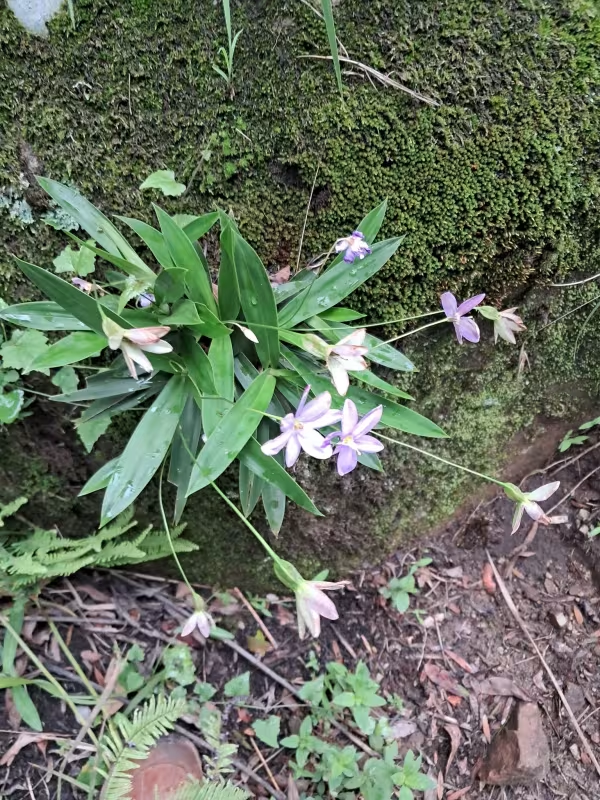
Talbotia elegans belongs to the Asparagaceae family and is recognized as a perennial herbaceous plant characterized by a distinct rosette of narrow leaves. Originating from the rocky terrains of South Africa, it has evolved to thrive in specialized niches where drainage and light are abundant.
The primary requirement for successful cultivation is a well-draining substrate that mimics rocky soil conditions. It is essential to avoid heavy, water-retentive soils that could compromise the integrity of the root system and lead to physiological stress in the plant.
In terms of light, the culture prefers bright, indirect sunlight to maintain its structural integrity and leaf coloration. Direct, intense sunlight might be acceptable depending on the latitude, but protected light is generally safer for preventing leaf scorch in sensitive specimens.
Temperature management should prioritize moderate, stable environments. Talbotia elegans is not frost-tolerant and should be sheltered from extreme cold; however, it manages well in average indoor or greenhouse temperatures provided there is sufficient air circulation.
The agricultural or horticultural use of this plant is strictly ornamental. Due to its unique morphology, it is favored by collectors and landscape designers looking for drought-tolerant or rock-garden-appropriate plants that offer a refined, minimalist aesthetic.
Main diseases and pests
Excessive soil moisture is the primary threat to Talbotia elegans, frequently resulting in fungal colonization and root decay. Proper irrigation management is therefore the most important preventative measure for maintaining long-term plant health.
Pests such as spider mites and mealybugs can affect the plant, particularly in low-humidity environments. These insects exploit the crevices of the leaf rosette, potentially causing tissue damage and slowing growth rates if not addressed promptly.
Regular monitoring of the foliage and growing medium is advised to ensure early detection of any health issues. Providing adequate spacing between individual plants is a simple yet effective strategy to prevent the spread of diseases and improve overall ventilation.
If chemical interventions are necessary, selecting appropriate systemic acaricides or insecticides can help mitigate pest populations without damaging the plant tissues. Always test treatments on a small area before applying them to the entire specimen.
Maintaining a clean and hygienic growing environment is crucial for preventing disease outbreaks. With correct attention to drainage and air movement, Talbotia elegans remains a relatively hardy and attractive addition to specialized botanical collections.