
Tadehagi triquetrum
Tadehagi triquetrum
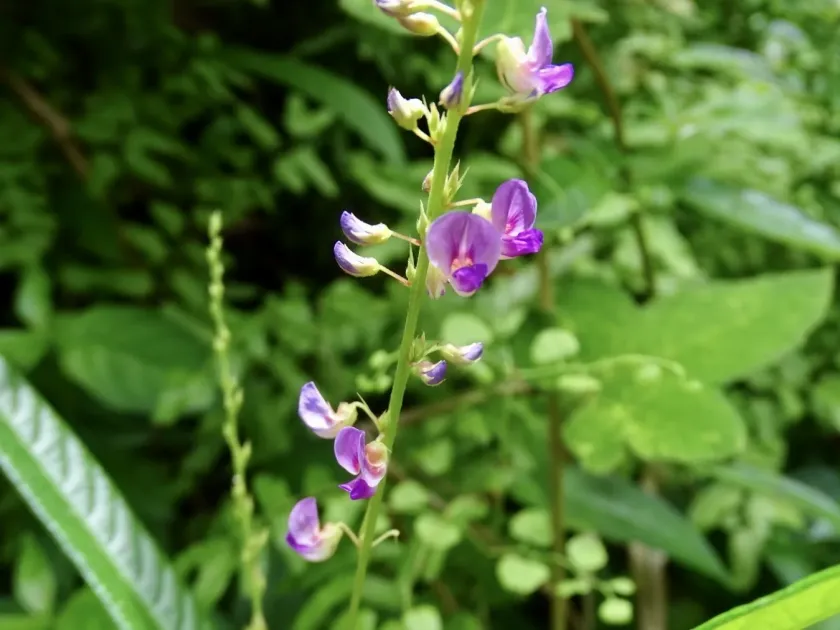
Description
Sowing dates
Tadehagi triquetrum is a perennial herb or subshrub belonging to the Fabaceae family. It is widely distributed in tropical regions, where it is typically propagated from seeds at the onset of the rainy season to maximize growth potential.
To ensure uniform germination, seeds should be scarified before planting, as their hard outer coat can delay the emergence of seedlings. Sowing is conducted in rows with a spacing of approximately 50–60 centimeters to ensure adequate airflow and space for each plant.
The optimal temperature range for seed germination and initial development is between 25 and 30 degrees Celsius. Maintaining consistent soil moisture during the first month is critical for establishing a healthy root system.
Once established, the plants grow vigorously under full sun conditions. Providing a location with high light intensity is essential, as shade can negatively affect the chemical composition of the plant's biomass.
Proper field preparation involves incorporating organic matter into the soil to improve structure and nutrient availability, which supports the plant's long-term health and productivity.
Growing requirements
This crop thrives in well-drained sandy or loamy soils with a slightly acidic to neutral pH. Soil drainage is of the utmost importance, as the species is highly sensitive to waterlogging and poor aeration.
Fertilization management should focus on balanced inputs, particularly phosphorus and potassium, which enhance the development of stems and foliage throughout the vegetative stage.
Regular watering is recommended, especially in the early stages or during prolonged dry spells. However, farmers should monitor soil moisture to prevent fungal outbreaks associated with stagnant water.
Weed management is necessary in the early phases of growth. Mechanical weeding between the rows promotes better soil aeration and prevents nutrient competition from invasive herbaceous species.
The plant is relatively resilient in tropical environments but requires wind protection in exposed fields to prevent physical damage to its slender, trifoliate structures.
Main diseases and pests
Aphids and spider mites are among the most common pests that affect Tadehagi triquetrum, particularly in hot, dry conditions. Infestations can cause stunted growth and chlorosis.
Fungal diseases such as root rot or powdery mildew may develop if irrigation practices lead to excessive humidity around the base of the plant. Proper spacing is a key preventative measure.
Slugs and snails can pose a significant threat to young seedlings, often necessitating the use of perimeter barriers or targeted biological control measures in the early season.
Adhering to a strict crop rotation cycle is essential to prevent the buildup of soil-borne pathogens common to the legume family, ensuring the longevity of the planting site.
Monitoring the plants for early signs of distress, such as leaf discoloration or wilting, allows for timely intervention using integrated pest management strategies to maintain crop quality.