
Syringodium isoetifolium
Syringodium isoetifolium
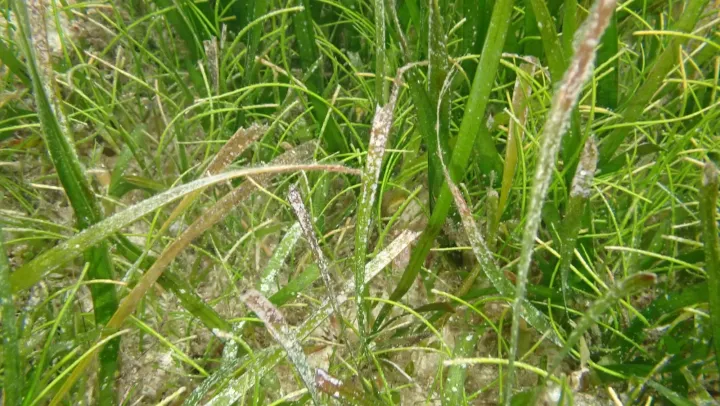
Description
Sowing dates
Syringodium isoetifolium, commonly known as needle seagrass, belongs to the Cymodoceaceae family. It is a perennial marine plant that propagates mainly through the extension of its rhizome system across the seafloor, creating extensive meadows.
In restoration or mariculture efforts, propagation is achieved by transplanting healthy rhizome fragments into prepared sandy or silty substrates. These fragments must be securely anchored to prevent displacement by underwater currents during the initial rooting phase.
Successful establishment relies on the physiological vigor of the rhizome sections and the suitability of the benthic environment. Planting is ideally timed to coincide with calm seasonal conditions to minimize mechanical damage to the young shoots.
The rhizomes act as a foundation, allowing the plant to spread horizontally and stabilize the marine sediment. Over time, these vegetative spreads consolidate into dense patches that serve as vital marine habitats.
While sexual reproduction via flowering and seed dispersal occurs in nature, it is less common as a direct method for establishing new plantations. Managed fragmentation remains the standard practice for intentional cultivation.
Growing requirements
Needle seagrass requires high light penetration, making water clarity a critical environmental factor. It thrives in shallow tropical waters where the photic zone reaches the seafloor, allowing for optimal photosynthesis.
Temperature is a key determinant of growth, with the species preferring the stable, warm conditions of tropical environments. Ideal development typically occurs between 20 and 30 degrees Celsius, with extreme fluctuations proving detrimental.
The substrate should be nutrient-rich and oxygenated to support the extensive root network. Sandy or silty sediments that allow for gas exchange are preferred over highly compacted or anaerobic clay soils.
Salinity levels must remain within a range typical of coastal lagoons and protected bays. Significant deviations in salinity due to freshwater runoff or extreme evaporation can stress the plant population.
Shelter from high-energy wave action is essential for long-term survival. Areas protected by reefs or geological features provide the stability needed for the rhizomes to remain embedded and for the foliage to grow undisturbed.
Yield
The yield of Syringodium isoetifolium is measured in terms of biomass density and the area of coverage within a given marine site. High productivity is achieved when light and nutrients are balanced without encouraging overgrowth of competitive algae.
The primary utility of this plant lies in its ecological output, including carbon sequestration and the provision of nursery grounds for commercial fish and shellfish species. The economic value is largely derived from these ecosystem services.
It also functions as a vital food source for marine herbivores such as dugongs and sea turtles. Sustainable management requires balancing these grazing activities with the plant's natural regeneration rate to ensure long-term meadow health.
In managed aquaculture, productivity can be monitored through periodic sampling of biomass density. Proper environmental management, such as maintaining water quality, can significantly enhance the speed of spread and overall biomass accumulation.
The ability to rapidly regenerate makes it a robust candidate for habitat restoration. With minimal maintenance, a well-established colony can remain productive for many years, supporting biodiversity in the local region.
Main diseases and pests
Eutrophication from agricultural and urban runoff is a major threat to Syringodium isoetifolium meadows. Excessive nutrients stimulate the growth of epiphytic algae, which shade the leaves and inhibit the plant's ability to photosynthesize.
Physical habitat destruction, particularly through coastal construction and dredging, represents a severe threat to the species. These activities can directly destroy meadows and increase turbidity, further harming remaining plants.
Pathogenic outbreaks can occur when the plant is stressed by environmental changes, such as rising water temperatures. Diseases affecting the rhizomes can lead to widespread die-off if not addressed early.
Overgrazing by localized populations of marine herbivores can lead to meadow degradation. Monitoring the animal-to-plant ratio is necessary to prevent the over-exploitation of the seagrass resources.
Invasive species may compete with the seagrass for space and resources, potentially leading to ecosystem shifts. Regular surveillance of coastal waters helps in identifying such biological threats early and implementing mitigation strategies.