
Synedrella vialis
Synedrella vialis
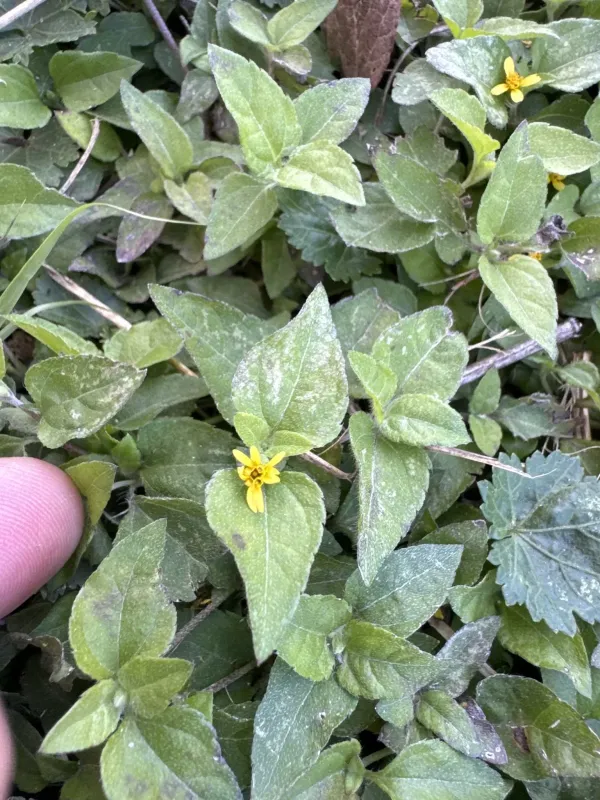
Description
Sowing dates
Synedrella vialis, commonly known as Cinderella weed, is a tropical plant that relies on soil moisture and ambient temperatures for germination. Seeds typically sprout rapidly when the rainy season begins, demonstrating a high level of environmental synchronization.
For deliberate sowing, seeds should be placed at a depth of roughly 0.5 centimeters in well-draining soil. Light is crucial for the germination process, so burying seeds too deeply should be avoided to ensure successful seedling emergence.
Spacing between plants should be calculated based on the desired density of the stand. Because of its fast-growing nature, proper spacing is essential to allow for adequate airflow and to prevent the build-up of excess humidity around the base of the stems.
The timing of sowing is critical in regions with seasonal variations. Planting should occur only when the soil temperature has stabilized above +20 degrees Celsius to prevent seedling shock or dormancy during cold spells.
Regular monitoring of moisture levels is required during the first two weeks post-sowing. Using a light mulch cover can help maintain humidity levels while protecting the soil surface from crusting after irrigation or rainfall.
Growing requirements
As a member of the Asteraceae family, Synedrella vialis is highly adaptable to various growing conditions. It thrives in full sunlight, which is necessary for its characteristic rapid growth rate and abundant biomass production throughout the season.
The plant performs best in nutrient-rich, moist soils with good organic content. While it can survive in compacted soils along roadsides, agricultural cultivation requires more structured soil management to maximize plant health and output.
Temperature remains the most significant constraint for its growth. It requires a tropical or subtropical climate where temperatures do not dip near the freezing point, as the plant is highly sensitive to frost and cold injury.
Irrigation should be consistent but not excessive. The roots are susceptible to rot if water persists in the substrate, meaning that a well-drained site is mandatory for successful cultivation without loss to root diseases.
Fertilization regimes should focus on balanced nitrogen levels to support leaf growth. However, excessive nitrogen can lead to overly rapid, spindly growth that might weaken the plant's structural integrity under strong winds or rainfall.
Main diseases and pests
Synedrella vialis is often considered a robust plant, but it remains susceptible to various fungal pathogens under poor management conditions. Leaf spot diseases are particularly common when humidity remains high for extended periods without air movement.
Aphids and various mite species are the most frequent insect threats. These pests target the younger, more succulent parts of the plant, potentially causing stunted growth and increasing the vulnerability of the plant to secondary infections.
Effective management includes the removal of severely infested plants to prevent the spread of pests or pathogens to the rest of the crop. Sanitation is a key element in maintaining a healthy population of this species.
Competitive weeds can also inhibit the growth of Synedrella vialis during its early development. Regular weeding is recommended until the plant establishes a dense canopy, which then serves as a natural barrier to other invading weeds.
In cases of severe infestation or disease, integrated pest management (IPM) practices should be employed. This includes the strategic use of biological controls or targeted, eco-friendly chemical applications that comply with agricultural standards.