
Syncolostemon canescens
Syncolostemon canescens
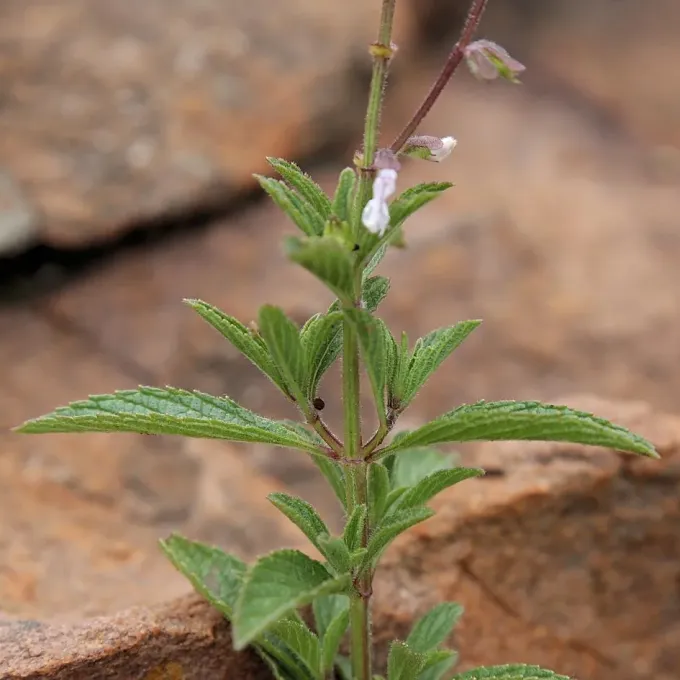
Description
Growing requirements
Syncolostemon canescens is a notable species within the Lamiaceae family, native to the arid landscapes of Southern Africa. This perennial subshrub is highly valued for its adaptation to challenging, nutrient-poor environments where water availability is strictly limited.
The plant thrives in well-drained, sandy, or gravelly soil types. Proper soil aeration is paramount, as the root system is susceptible to decay if the medium remains saturated for extended periods, making raised beds or slopes ideal for cultivation.
Optimal growth requires full sun exposure throughout the growing season. The plant's physiological processes are tuned to high light intensity, which influences the development of its aromatic profile, a characteristic trait for members of the mint family.
Regarding climate, this species is frost-sensitive and requires consistent warm temperatures to flourish. In agricultural practice, it is often managed as a drought-resistant crop, requiring minimal supplemental irrigation once the plants are well-established.
Commercial utilization focuses on the essential oil industry, as the plant produces a unique volatile profile. Furthermore, its role as a pollinator-friendly plant makes it an excellent choice for integrated agricultural systems that emphasize biodiversity and support local bee populations.
Main diseases and pests
Root rot represents the primary agricultural threat to Syncolostemon canescens, typically triggered by improper irrigation management or poor soil drainage. Maintaining a dry root zone during dormant phases is crucial for plant longevity and health.
Pests such as spider mites and aphids may infest the canopy during prolonged periods of dry, hot weather. Monitoring these pests is essential, as heavy infestations can lead to significant biomass loss, which directly impacts the harvest potential.
Powdery mildew is a potential risk when humidity levels fluctuate or air circulation is insufficient within the planting area. Ensuring adequate spacing between individual plants is the best preventative strategy to maintain healthy, productive crops.
Soil-borne insects can occasionally cause damage to the root system, particularly when the field has not been properly prepared or if crop rotation practices are neglected. Implementing a robust rotation schedule helps mitigate these soil-based threats.
Disease prevention is most effective when emphasizing high-quality cultural practices, including strategic pruning and site selection. By minimizing moisture stress, growers can naturally improve the plant's resistance to most common pathogens.