
Sutherlandia frutescens
Sutherlandia frutescens
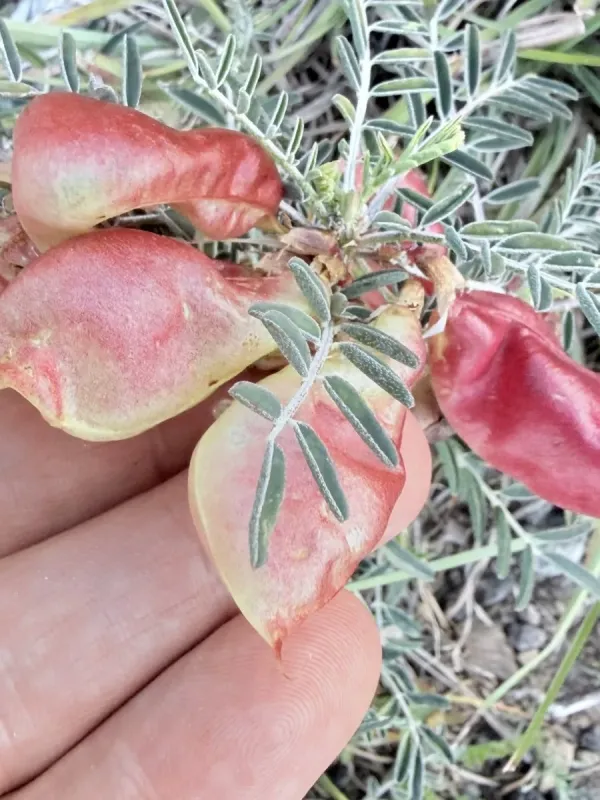
Description
Sowing dates
Sutherlandia frutescens is propagated via seeds, which should be soaked in warm water to soften the seed coat and enhance germination success rates.
The optimal sowing time is during early spring when soil temperatures stabilize, ensuring rapid and uniform development of the seedlings.
Seeds are planted at a depth of approximately 0.5 to 1 cm in a well-draining, sandy-loam growing medium to prevent seedling damping-off.
For commercial production, seedling trays are preferred as they allow for healthy root system development before transplanting into the field.
Consistent moisture is required during the initial germination phase, but overwatering must be strictly avoided to prevent fungal pathogens from destroying the crop.
Growing requirements
As a member of the Fabaceae family, this plant is well-adapted to harsh environments and thrives in sunny, open locations with excellent air circulation.
Sutherlandia prefers poor, rocky, or sandy soils and is highly drought-tolerant once established, making it suitable for areas with limited water resources.
It requires protection from hard frosts and extreme cold, as it is native to the warm, subtropical climate of Southern Africa and is sensitive to freezing temperatures.
While it is a hardy plant, moderate irrigation during the main growing season significantly boosts biomass production, which is essential for commercial harvesting.
Maintaining a neutral to slightly alkaline pH is ideal, and providing adequate space between rows ensures the plant maintains its structural integrity and health.
Yield
The yield of this crop is measured by the harvest of high-quality leaf and stem biomass, which contains potent pharmacologically active compounds.
Multiple harvests can be achieved within a single growing season if the plant is pruned correctly, stimulating new, vigorous vegetative growth.
Optimizing plant spacing is crucial for yield management, as excessive density reduces light penetration and results in lower concentrations of active ingredients.
Productivity is highly dependent on the soil quality and the management of micronutrients, although the plant has a relatively low fertilizer requirement.
Consistent monitoring of growth cycles allows producers to maximize harvest frequency while ensuring the long-term sustainability and vitality of the plantation.
Main diseases and pests
Root rot is the most significant threat to this crop, typically triggered by waterlogged soil conditions or a lack of proper drainage in the field.
Powdery mildew may occur in poorly ventilated areas or under high humidity, necessitating proper plant spacing to allow for adequate air movement.
Common pests include aphids and spider mites, which thrive in dry conditions and can cause damage to the tender foliage, reducing the overall leaf quality.
Nematode infestations can occur in areas where the plant is grown continuously, emphasizing the need for effective crop rotation practices.
Integrated pest management, including regular inspection and the removal of affected branches, is vital for maintaining a healthy and profitable harvest.
Harvesting
Harvesting should occur when the plants reach peak flowering, as this timing is associated with the highest concentration of beneficial bioactive compounds.
Using sharp shears, the stems are cut back in a manner that leaves enough foliage for the plant to recover and regenerate for subsequent harvest cycles.
Drying must be conducted in shaded, well-ventilated areas to prevent degradation of the heat-sensitive compounds that define the medicinal value of the plant.
Temperature control during the drying process is critical; excess heat can lead to a significant loss of active secondary metabolites in the harvested material.
Final processing involves grinding and proper packaging in moisture-proof containers to preserve the product's shelf life and medicinal efficacy for consumers.