
Suckleya suckleyana
Suckleya suckleyana
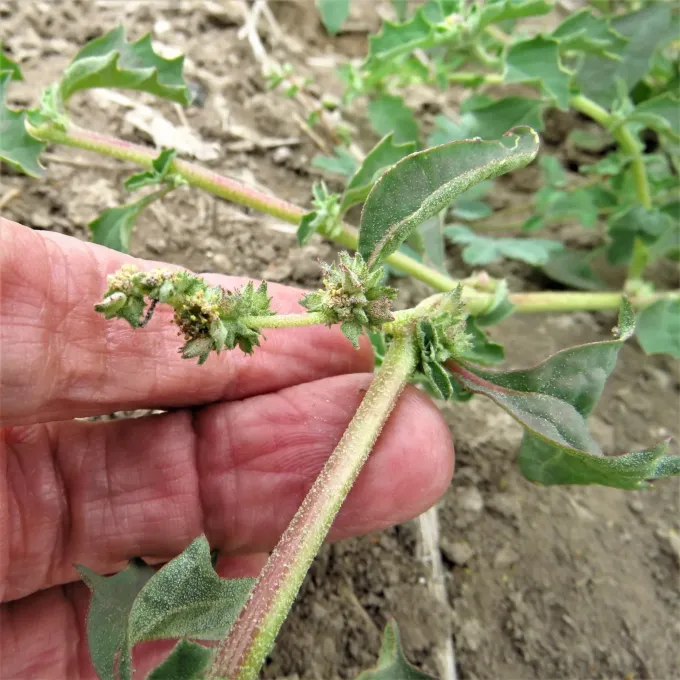
Description
Growing requirements
Suckleya suckleyana, commonly known as poison suckleya, is an annual herbaceous plant that belongs to the Amaranthaceae family. Previously classified under the Chenopodiaceae family, it has been reclassified due to recent phylogenetic studies.
The plant is native to North America, primarily found in the western regions. It is typically associated with specific habitats such as the edges of drying ponds, muddy basins, and alkaline soil conditions where few other species thrive.
This species requires high light intensity for optimal growth and development. It is highly adapted to fluctuating water levels, capable of surviving temporary spring flooding followed by severe soil moisture deficits in the summer.
In terms of soil requirements, it prefers sites with a neutral to alkaline pH level. While it is not a traditional agricultural crop, its ability to dominate niche habitats makes it a significant subject of study for range managers.
Botanically, it is characterized by its prostrate to ascending habit and small, inconspicuous flowers. It spreads primarily through seed production, which can be prolific in suitable environmental conditions.
Main diseases and pests
The primary agricultural threat posed by Suckleya suckleyana is its high toxicity. The plant contains cyanogenic glycosides that can release hydrogen cyanide, making it extremely dangerous to livestock grazing in infested areas.
Managing this plant in agricultural settings requires strict monitoring. Once it invades a pasture, it poses a recurring risk, especially during periods of drought or stress when livestock might graze on less palatable vegetation.
There are no biological control agents specifically targeting this plant that are widely utilized. Chemical control is generally the most effective method, although it must be applied carefully to avoid damaging desirable forage grasses.
The plant can act as an alternate host for various pathogens that affect more common crops within the Amaranthaceae family. Preventing its spread is crucial to maintaining the health of nearby agricultural fields.
Integrated weed management, including proper grazing rotation and soil drainage improvements, is essential for reducing the population of Suckleya suckleyana in sensitive range environments.