
Awlwort
Subularia aquatica
Description
Growing requirements
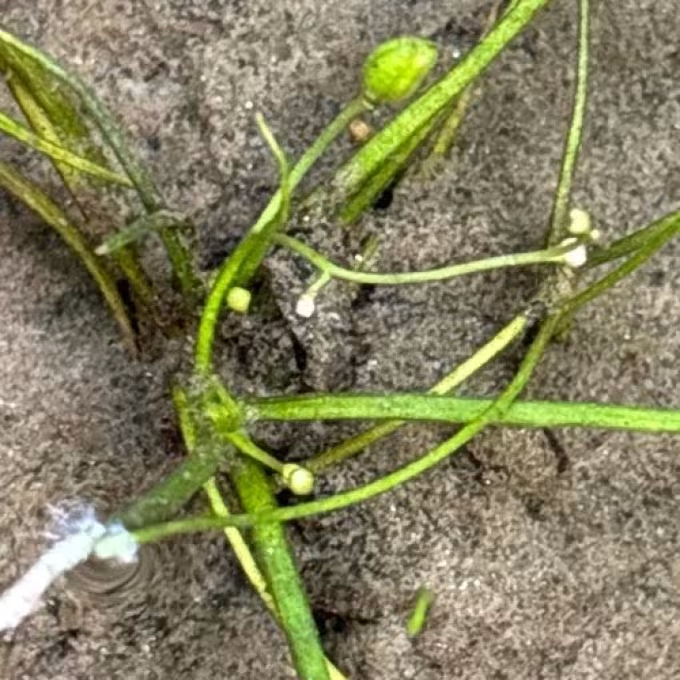
Awlwort, botanically known as Subularia aquatica, is a unique submerged aquatic plant belonging to the Brassicaceae (Mustard) family. Despite its taxonomic classification, it is specialized for growth in aquatic environments, typically appearing as a small, rosette-forming plant with awl-shaped leaves.
The natural range of this species covers circumpolar regions in the Northern Hemisphere. It thrives in oligotrophic, clear-water lakes and slow-moving rivers, where low nutrient levels prevent the overgrowth of competitive invasive species.
Substrate preference is highly specific, favoring sandy, gravelly, or stony bottoms. In such environments, the plant can successfully establish its shallow root system, which is essential for nutrient uptake from the sediment while photosynthesis occurs in the water column.
Light availability is the primary limiting factor for Awlwort. The plant requires high water clarity to ensure sufficient photosynthetic radiation reaches the submerged leaves, especially in deeper parts of its preferred habitat.
Conservation efforts for this species are significant, as it often acts as an environmental barometer. Its presence indicates high water quality and low pollution levels, making it a valuable target for monitoring healthy lake ecosystems.
Main diseases and pests
Eutrophication caused by nutrient runoff from agricultural lands is the primary threat to Subularia aquatica. Elevated nitrogen and phosphorus levels stimulate excessive algae growth, which physically crowds out the plant and depletes available light.
Physical disturbances, such as dredging or heavy boat traffic, cause sediment resuspension, which smothers the delicate foliage of the plant. Furthermore, sudden fluctuations in water levels can lead to desiccation if the plant is exposed to air for extended periods.
Disease pressure remains a concern when the plant's ecological stability is compromised by temperature shifts. Pathogenic fungi and rot can occur in stagnant water scenarios, where the lack of natural flow promotes the accumulation of harmful metabolic byproducts around the plant structure.