
Strombosiopsis tetrandra
Strombosiopsis tetrandra
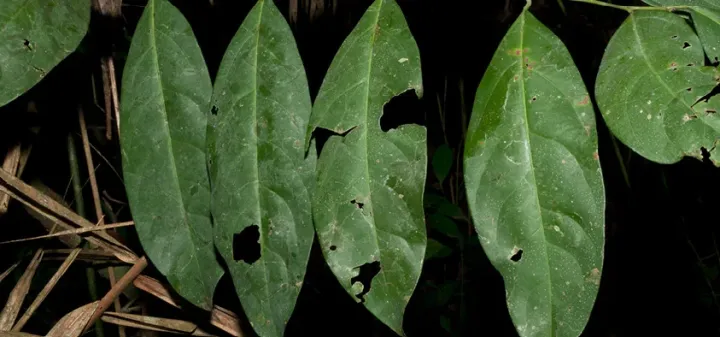
Description
Growing requirements
Strombosiopsis tetrandra is a significant tropical tree species belonging to the Olacaceae family. It is native to the humid tropical forests of Central and West Africa, where it thrives in lush, rain-fed habitats.
The plant requires high, constant temperatures throughout the year to maintain its biological processes. It does not possess adaptations for surviving cold seasons, making its cultivation strictly limited to tropical latitudes.
Soil requirements focus on deep, well-structured profiles with high organic content. While the plant is drought-sensitive, it simultaneously avoids waterlogged areas, making proper site selection essential for potential growth.
The species is known for its shade-tolerant nature during the seedling stage. As it matures, its canopy develops to compete for sunlight within the complex vertical structure of the rainforest environment.
Agrotechnical management is primarily focused on sustainable forest conservation rather than intensive monoculture. Protecting the ecological balance is key to ensuring the longevity of this species.
Yield
The primary economic value of Strombosiopsis tetrandra lies in its timber, which is valued for its superior density and physical durability. It serves as a robust material for structural applications and heavy-duty carpentry.
The wood is known for its ability to withstand degradation in humid tropical climates, making it a preferred choice for outdoor construction in its native regions. It holds a stable market position in local timber trade.
Yield management is centered on the selective extraction of mature individuals to allow for natural regeneration. The growth rate is relatively slow, which necessitates a long-term strategy for resource extraction.
Apart from timber, the species contributes to the overall biodiversity and ecological health of the forests where it occurs, supporting local insect and wildlife populations.
Ongoing efforts to study the potential of Strombosiopsis tetrandra focus on sustainable yield estimation and the promotion of ethical harvesting practices to ensure future supply.