
Streptoglossa odora
Streptoglossa odora
Description
Growing requirements
Streptoglossa odora is a perennial herb belonging to the Asteraceae family. Native to Australia, this plant has evolved to thrive in the harshest arid and semi-arid environments of the continent, showcasing remarkable adaptive capabilities.
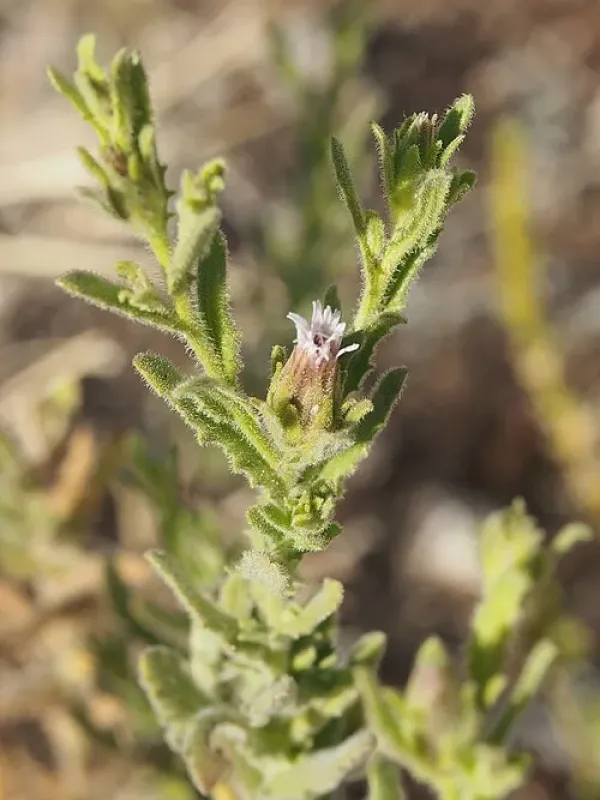
Botanically, it is a small shrub reaching a height of 30-60 cm. The stems and leaves are covered with glandular hairs, which are a specialized adaptation to minimize water loss through evaporation and protect the plant from high levels of solar radiation.
The leaves are generally narrow and emit a distinct scent, attributed to the presence of secondary metabolites. These oils serve as a chemical defense mechanism, reducing the likelihood of being consumed by native fauna.
Regarding soil requirements, the species prefers well-drained, sandy, or rocky substrates. It exhibits a high tolerance for saline conditions, which makes it a subject of research for potential revegetation in degraded lands where traditional crops would fail.
The climate requirements include high thermal indices and direct sunlight exposure throughout the growing season. The plant relies on irregular rainfall patterns and is well-adapted to surviving long periods of drought through metabolic suppression.
Main diseases and pests
Root rot remains the most significant threat to Streptoglossa odora. This condition is almost exclusively induced by waterlogging or poor drainage, which causes the sensitive root system to succumb to anaerobic pathogens quickly.
Insect pests such as grasshoppers and specific caterpillars can cause defoliation during the growing season. Their feeding activity can reduce the photosynthetic capacity of the plant and open up wounds for further infection.
Powdery mildew may occur in poorly ventilated cultivation areas. Maintaining proper spacing and air movement between plants is the most effective preventative measure against this fungal development in a controlled environment.
Small mammals and rodents may occasionally feed on the stem bases, causing severe mechanical damage that compromises the plant's structural integrity. Physical barriers are often required in early growth stages to protect the plants.
Management of these threats emphasizes cultural and preventative practices over the use of chemical inputs. Given its specific ecological role in Australian habitats, maintaining a balanced environment is critical for sustaining a healthy population.