
Stranvaesia nussia
Stranvaesia nussia
Description
Growing requirements
Stranvaesia nussia is an evergreen shrub or small tree belonging to the Rosaceae family. Known for its elegant appearance, it serves as a sophisticated addition to diverse landscape settings, particularly in mild climates.
Originating from the mountain regions of the Himalayas and parts of Southeast Asia, this plant thrives in environments that offer moderate humidity and protection from harsh, drying winds throughout the year.
The plant demands well-drained soil rich in organic matter. While it is adaptable to various soil types, maintaining a pH level between slightly acidic and neutral is ideal for promoting healthy root development and foliage color.
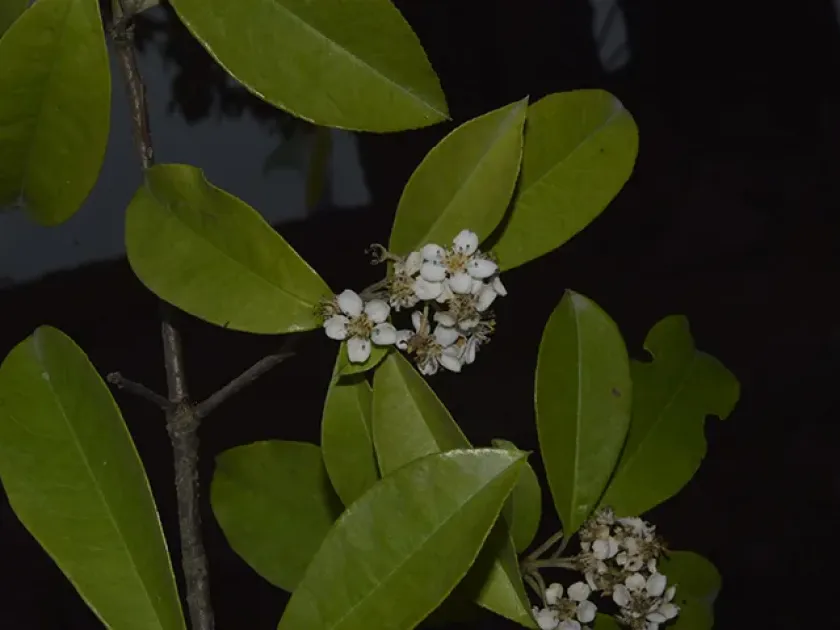
Botanically, it is characterized by leathery, evergreen leaves and white flowers arranged in corymbs. The shrub is particularly prized for its fruits, which transition through attractive color changes and persist through the cooler months.
Agricultural practice requires consistent moisture during the growing season, though waterlogging must be strictly avoided. Mulching around the base helps regulate soil temperature and retain necessary moisture during dry spells.
Main diseases and pests
Stranvaesia nussia is susceptible to common Rosaceae ailments, with fire blight being one of the most significant threats. This bacterial infection can cause sudden wilting and blackening of branches, requiring immediate pruning and disinfection of tools.
Powdery mildew often affects the foliage during periods of high humidity and poor air circulation. Improving spacing between plants and ensuring proper pruning can significantly reduce the risk of fungal outbreaks.
Aphids and scale insects are the primary pests that target the plant. These insects feed on the sap of young stems and leaves, which can weaken the plant and encourage the growth of sooty mold if not treated promptly.
Root rot, driven by excessive soil moisture, remains a critical risk. Proper site selection and the installation of adequate drainage systems are essential to prevent the accumulation of water around the root zone.
Integrated pest management strategies, including the use of horticultural oils and specific systemic treatments, should be applied when signs of infestation appear to protect the overall structural integrity of the plant.