
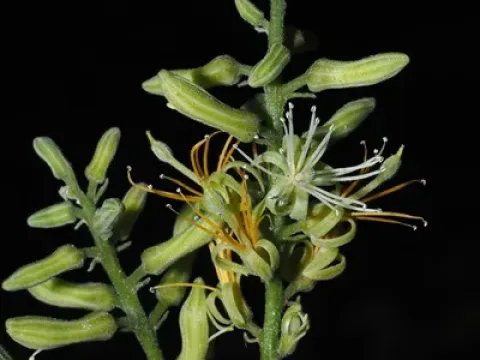
Stixis
Stixis
Stixis requires precise timing for sowing to ensure optimal germination rates. It is essential to wait for soil temperatures to stabilize, ensuring that the risk of frost has passed before placing seeds into the seedbed.
What the section contains

Stixis
Seed depth must be adjusted according to soil texture. In lighter, sandy soils, slightly deeper planting is recommended to ensure the seed maintains contact with moisture, whereas heavier soils require shallower placement to avoid compaction.
Uniform emergence is a key goal in Stixis production. This is achieved through proper seed calibration and ensuring that the seedbed is sufficiently prepared, providing a fine, firm structure for the developing roots.
Spacing between plants must be managed carefully to avoid competition for nutrients and water. Standard row spacing should facilitate both plant development and potential mechanical maintenance of the crop.
The use of high-quality, treated seeds is a critical preventative measure against early-stage soil-borne pathogens. Proper preparation sets the foundation for a healthy and productive crop cycle.
This crop thrives in well-aerated, fertile soils with high organic matter content. Drainage is of paramount importance, as waterlogged conditions quickly lead to root stress and the onset of decay.
Neutral pH levels in the soil are ideal for Stixis. Soils that are too acidic or too alkaline can limit the availability of key micronutrients, necessitating soil testing and appropriate amendments well before the growing season starts.
Stixis is a light-demanding crop that performs best under full sunlight. Shading from neighboring structures or overgrowth can result in etiolation and diminished yields, so site selection is a critical management decision.
A balanced fertilization program is required to maintain plant vigor. Potassium and phosphorus are particularly important for reproductive growth, while nitrogen should be managed to avoid excessive foliage development at the expense of yield.
Environmental stability is important, as the crop can be sensitive to extreme temperature shifts. In some regions, protective measures may be needed to shelter young plants from harsh winds and sudden weather changes.
Fungal infections are among the primary threats to Stixis, particularly when the crop is exposed to prolonged humidity. A preventative fungicide schedule is often necessary to ensure the health of the plant canopy.
Pests, such as aphids or mites, can cause significant damage by draining sap and potentially transmitting viral diseases. Regular scouting and early intervention are essential for maintaining plant health.
Root rot is a common challenge arising from poor soil drainage or excessive irrigation practices. Crop rotation remains one of the most effective ways to manage the buildup of soil-borne diseases in a field.
Weed control is vital during the early establishment phase. Both manual weeding and the use of authorized herbicides can be utilized, provided they are compatible with the specific physiological profile of the Stixis plant.
- Systematic pest monitoring.
- Crop rotation with non-host species.
- Appropriate irrigation management to prevent saturation.
Harvesting should occur once the crop has reached physiological maturity. Identifying the correct harvest window is crucial, as harvesting too early can lead to poor quality, while harvesting too late may lead to losses.
Choosing a dry window for harvest is essential to ensure the longevity of the crop. Moisture on the product during harvest increases the risk of mold and post-harvest decay during storage.
Proper handling during the collection process is necessary to minimize bruising and structural damage to the plants. Careful mechanical adjustment of harvesting machinery can significantly reduce potential damage.
Post-harvest cleaning and sorting should be performed immediately to remove any impurities or damaged materials. Proper ventilation during transportation ensures that the crop remains in optimal condition until it reaches its final destination.
Cold chain management or appropriate warehouse conditions can further extend the shelf life of the harvested product, maintaining its value for the market.