
Steveniella satyrioides
Steveniella satyrioides
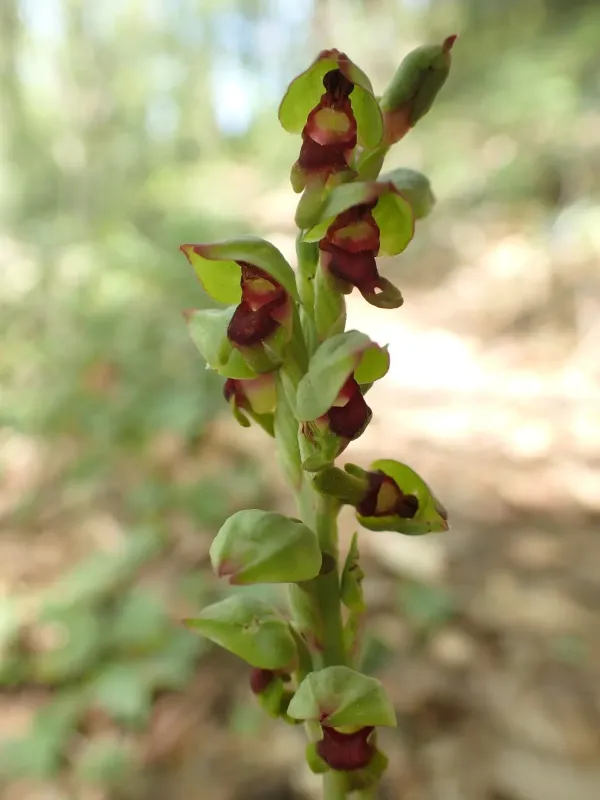
Description
Growing requirements
Steveniella satyrioides is a rare herbaceous perennial plant belonging to the Orchidaceae family. It is a monotypic genus, characterized by its unique morphological structure and specific environmental demands.
The plant is native to the Caucasus region and parts of Western Asia. It typically inhabits forest margins and bushy meadows, demonstrating a strong preference for calcareous soils that provide essential minerals for its growth.
The biological development of this orchid is strictly dependent on symbiotic mycorrhizal fungi. Without this fungal interaction, the seeds cannot germinate, which prevents the plant from being cultivated as an agricultural crop in conventional farming environments.
Regarding climate and soil, the species thrives in well-drained, moderately moist environments. It is highly sensitive to soil compaction and nitrogen-based chemical fertilizers, which disrupt the delicate symbiotic balance required for its survival.
Due to its extreme rarity and complex biological needs, Steveniella satyrioides is not used in agricultural production. It is considered a protected botanical object, and efforts are primarily focused on the conservation of its natural habitats.
Main diseases and pests
The primary threat to Steveniella satyrioides populations is habitat loss caused by deforestation, land development, and intensive livestock grazing in mountainous regions.
The species is highly susceptible to root pathogens that thrive in waterlogged conditions. Excessive soil moisture triggers rotting in the tubers, which is often fatal for the individual plant.
Invertebrate pests, such as various species of larvae and beetles, can cause significant damage to the foliage and flower stalks, effectively stunting the plant's seasonal development and ability to regenerate.
Invasive plant species pose a constant challenge, as they rapidly colonize the gaps in the vegetation where the orchid grows. Overgrowth by aggressive competitors prevents necessary sunlight from reaching the orchid.
Climate instability, particularly unpredictable drought cycles, forces the plant into early senescence. This prevents the formation of new replacement tubers, directly impacting the long-term viability of the population.