
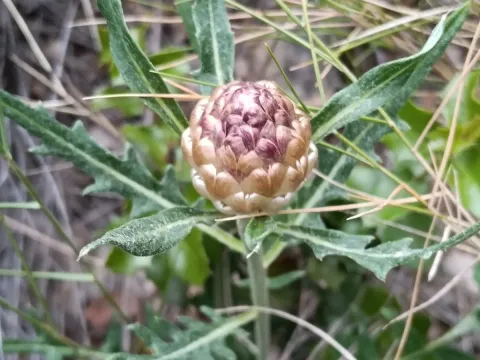
Leuzea
Stemmacantha
Sowing Leuzea carthamoides is best performed in late autumn to ensure natural stratification of seeds within the soil. If spring planting is preferred, seeds must undergo cold stratification for at least 45 days to break dormancy and ensure uniform germination.
What the section contains

Leuzea
Seeds should be planted at a depth of 2–3 centimeters in light soils, with shallower depths used in heavier, clay-rich substrates. Row spacing typically ranges from 45 to 60 centimeters, which allows for mechanical weed control between rows during the early establishment phase.
During the first year, the crop focuses on developing a basal rosette of leaves and a robust root system. Growth is slow, making weed control absolutely critical, as young leuzea seedlings are highly susceptible to competition from invasive grasses and broadleaf weeds.
The seeding rate is generally 8–10 kilograms per hectare depending on the germination rate and row configuration. High-quality, tested seeds are essential for achieving a uniform stand, which is vital for the long-term profitability of the plantation.
Seedlings typically emerge within three weeks under favorable moisture and temperature conditions. By the second year, the plant enters a phase of rapid vegetative growth, and the root system begins to store the medicinal compounds that the plant is harvested for.
Leuzea is a perennial member of the Asteraceae family known for its extreme cold hardiness. It thrives in open, sunny locations, as shaded environments significantly reduce the accumulation of active pharmaceutical compounds in the roots.
The ideal soil profile consists of deep, fertile chernozem or well-cultivated loamy soils with excellent drainage. The plant is sensitive to waterlogging, as excessive moisture in the root zone can quickly lead to decay and fungal infections.
Consistent moisture is required during the early growing seasons, but the crop is relatively drought-tolerant once fully established. Soil pH should ideally be neutral or slightly acidic for optimal nutrient uptake and general health of the root system.
Incorporating organic matter prior to planting provides the necessary nutrients for initial growth. Phosphorous and potassium-rich fertilizers applied in subsequent years help sustain high biomass production and enhance the plant's resilience.
The plant adapts well to various climatic regions, though it prefers moderate summer temperatures. Mulching the soil surface can help retain moisture and protect the crown from harsh temperature fluctuations during winter dormancy.
Yields of leuzea increase significantly by the third and fourth year, when the root system reaches full biological maturity. On average, a well-managed plantation produces 1.5 to 3 tons of dried root mass per hectare upon harvest.
In addition to roots, the aerial green mass can be harvested annually, serving as a secondary product for medicinal or animal feed purposes. Up to two cuts per season are possible, which maximizes the economic efficiency of the farming operation.
A typical plantation remains productive for 5 to 6 years before yield begins to decline, at which point the land should be rotated to another crop. Returning to the same site for new leuzea plantings is only advised after a rest period of several years.
Productivity is directly influenced by proper maintenance, including mechanical inter-row cultivation and timely fertilization. The plant responds vigorously to good agricultural care, showing rapid regrowth after the green biomass is harvested.
Quality control focuses on the concentration of ecdysteroids, which peak during the autumn months. Timing the harvest accurately ensures that the raw material meets professional pharmaceutical standards for potency and purity.
The most common threat to leuzea is root rot, which typically occurs in poorly drained soils or during seasons with excessive rainfall. Proper field planning and ensuring adequate soil aeration are the primary preventive measures.
Soil-dwelling insects, such as wireworms, can damage the crown and roots, potentially stunting growth. Implementing a sound crop rotation plan that avoids planting leuzea after other susceptible Asteraceae crops helps minimize pest pressure.
Powdery mildew may develop on leaves under conditions of high humidity or poor air circulation. Managing plant density and removing infected leaves early in the season are effective strategies for limiting the spread of this fungal disease.
Nematode infestations can reduce both root volume and overall plant vigor. Pre-planting soil testing and the use of certified, disease-free seed material are standard best practices for protecting long-term plantation health.
Integrated pest management, favoring biological controls over harsh chemicals, is recommended to keep the harvest free from contaminants. Monitoring fields regularly allows for early detection of potential threats before they cause significant economic loss.
The main harvest of leuzea roots is carried out in the autumn, during the dormant season, when the leaves begin to yellow. This is when the plant has stored maximum energy and medicinal compounds within the root system.
Roots are harvested using mechanical diggers, followed by thorough cleaning and washing to remove soil. Damaged or diseased roots must be culled immediately to prevent them from compromising the quality of the overall harvest batch.
Drying is performed in controlled environments at temperatures not exceeding 60 degrees Celsius. Maintaining strict temperature control is crucial to prevent the degradation of heat-sensitive active ingredients found in the root structure.
Aerial green parts are harvested during the flowering phase when their nutrient and medicinal content is highest. Proper drying of the green material is essential to prevent spoilage and ensure the retention of its natural color and potency.
Once dried and processed, the product should be stored in cool, dry, and dark conditions. Proper packaging protects the material from moisture and pests, allowing for a shelf life of approximately two years while maintaining medicinal quality.