
Sporobolus molleri
Sporobolus molleri
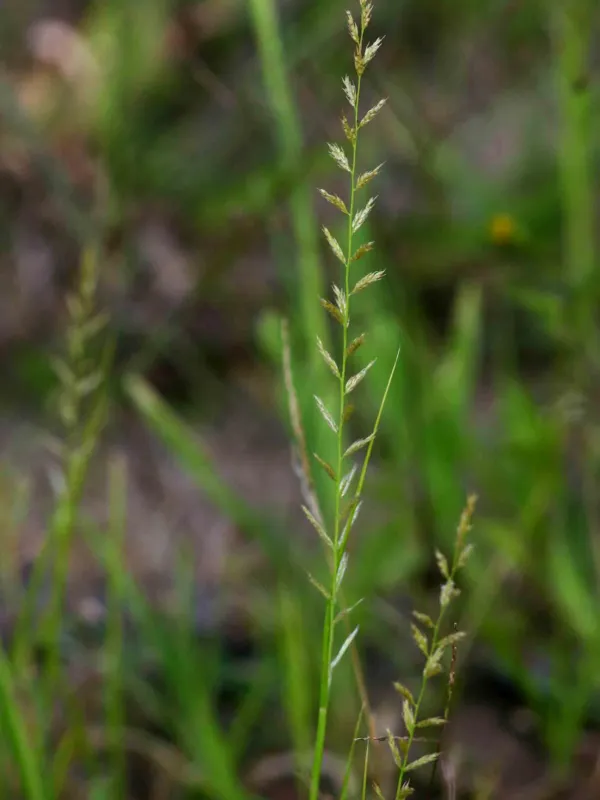
Description
Growing requirements
Sporobolus molleri is a perennial grass species belonging to the Poaceae family. It is recognized for its structural resilience and potential utility in agricultural systems, particularly in subtropical and tropical pastoral landscapes.
The crop thrives in well-drained soil types, demonstrating a preference for textures that allow for good aeration of the root system. Excessive soil compaction should be avoided, as it inhibits the growth of the fine root structure characteristic of this species.
Regarding climate, Sporobolus molleri requires ample solar exposure to reach its full productive potential. It is sensitive to frost and extreme cold, which restricts its optimal cultivation to regions with mild seasonal temperatures.
Botanically, the plant is characterized by dense tillering and narrow leaves, which provide a significant biomass yield. Its morphological adaptation allows it to withstand moderate grazing pressure, making it a viable candidate for pasture improvement.
Management of this grass involves regular assessment of nutrient levels in the soil. Phosphorus and potassium supplementation is often recommended to support robust root development, especially during the establishment year of the stand.
Main diseases and pests
Sporobolus molleri is susceptible to several foliage diseases, particularly rusts and leaf spots that proliferate under humid environmental conditions. Maintaining adequate space between plants is essential to promote airflow and minimize humidity around the stems.
Pest populations such as stem borers or aphids can sporadically affect crop health. Monitoring for early signs of infestation is crucial, as significant damage can reduce the nutritive quality of the grass for livestock consumption.
Cultural control methods remain the first line of defense. Ensuring that the crop is not stressed by nutrient deficiencies or excessive moisture makes the plants more resilient to naturally occurring pests and local pathogenic agents.
Integrated Pest Management (IPM) practices should be employed if chemical intervention is necessary. This ensures that beneficial insect populations are preserved while targeting the specific threats to the grass crop.
Harvesting techniques that avoid cutting the grass too close to the ground help maintain the vitality of the base nodes. This practice prevents the plant from becoming overly susceptible to crown rots and other stress-related diseases.