
Spreading dropseed
Sporobolus humifusus
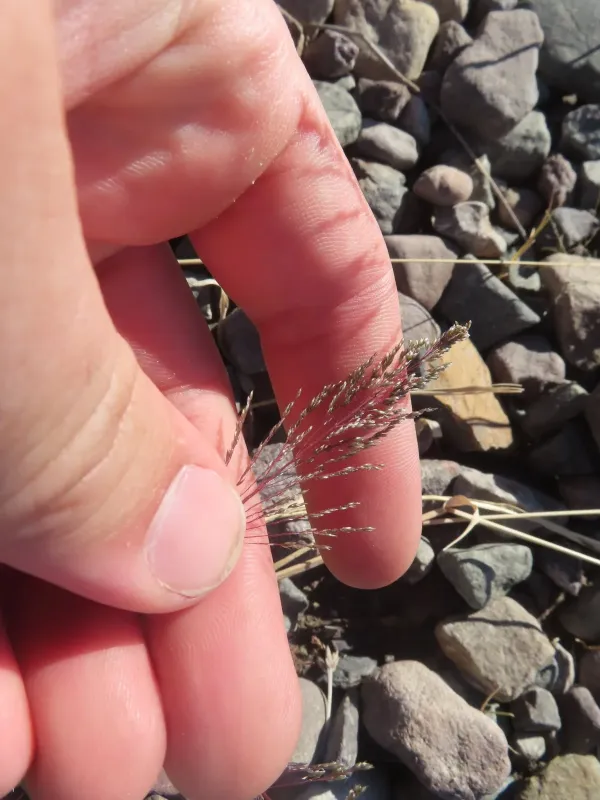
Description
Growing requirements
Spreading dropseed (Sporobolus humifusus) is a member of the Poaceae family. It is a highly resilient grass species known for its ability to thrive in challenging, arid environments where other vegetation often fails.
The plant typically grows in sandy or well-drained soils. Its ability to tolerate low nutrient levels makes it an excellent candidate for land reclamation projects and the stabilization of soil in semi-desert regions.
Morphologically, the plant presents a spreading growth habit, which helps protect the soil surface from evaporation and erosion. The narrow leaves are adapted to conserve water, reflecting the plant's evolutionary response to heat stress.
This grass requires full sun exposure for optimal development. It is highly intolerant of waterlogged conditions; therefore, agricultural sites must have excellent drainage systems to prevent root rot and ensure plant health.
Native to tropical and subtropical regions, spreading dropseed is particularly well-adapted to high-temperature regimes. It can maintain photosynthetic activity during prolonged droughts, serving as a reliable biological buffer.
Yield
Spreading dropseed is primarily utilized as a forage resource for livestock. It provides necessary nutrients for grazing animals in arid environments where more sensitive grass species cannot be cultivated.
The biomass yield is largely dependent on seasonal rainfall patterns. Under proper pasture management, the plant provides a consistent supply of forage, supporting animal nutrition throughout the dry season.
It is often used in grassland restoration efforts. By overseeding or incorporating it into existing pastures, farmers can improve the stability and productivity of marginal lands that are susceptible to degradation.
Harvesting strategies involve controlled grazing patterns to ensure the longevity of the plant population. Overgrazing should be avoided to maintain the plant's vigor and its ability to re-establish annually.
The nutritional profile of this grass makes it a valuable component in range management. It contributes to both the economic sustainability of livestock production and the ecological preservation of fragile rangelands.