
Ray-branched dropseed
Sporobolus actinocladus
Description
Growing requirements
Ray-branched dropseed (Sporobolus actinocladus) is a resilient perennial grass belonging to the Poaceae family. It is native to the arid and semi-arid regions of Australia, where it is recognized as a vital component of the natural landscape and livestock grazing systems.
The plant is biologically optimized for survival in harsh conditions, exhibiting remarkable heat tolerance and efficiency in water uptake. It typically thrives in alkaline, saline, or heavy clay soils, making it an excellent candidate for stabilization in challenging environments.
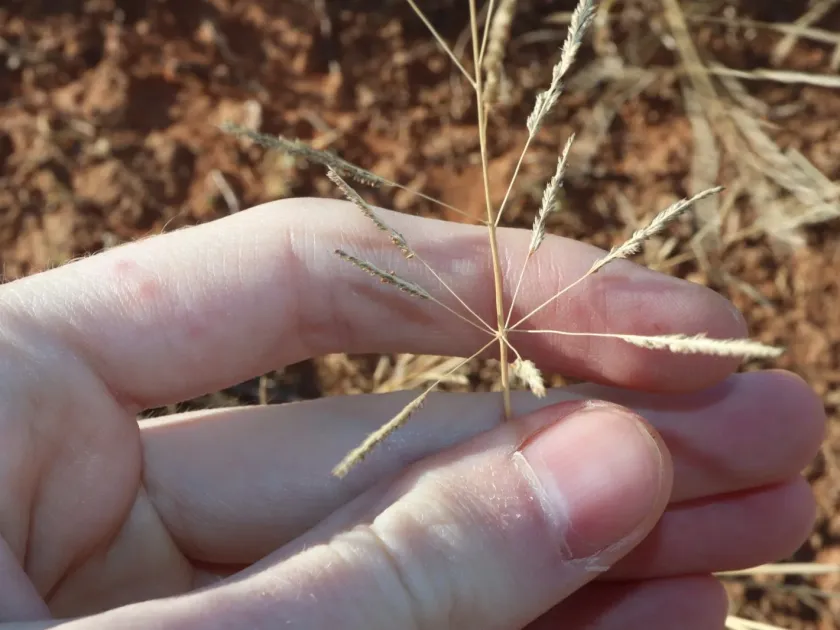
Botanically, this species is known for its compact habit and distinctive inflorescence. The seed heads branch out like rays, providing the plant with its common and scientific names. Its root architecture allows it to access subterranean water reserves, helping it endure extended rainless periods.
Cultivation requirements for this species include high exposure to sunlight and well-drained soil. It does not require high levels of soil fertility, as it is adapted to nutrient-poor environments common in the Australian interior.
In terms of agricultural utility, it serves as a valuable forage plant for cattle and sheep. Its ability to produce green biomass rapidly after sporadic rains makes it a crucial resource for pastoralists managing drought-prone grazing lands.
Main diseases and pests
The primary threat to ray-branched dropseed populations is overgrazing by domestic and feral animals. Continuous grazing prevents the plants from reaching reproductive maturity, which leads to a decline in seed bank replenishment and eventual population loss.
Pest pressures are primarily caused by locust outbreaks and grasshopper infestations, which are periodic events in the Australian outback. These insects can defoliate entire pastures, significantly reducing the carrying capacity of the land.
Pathogenic threats are minimal under the dry conditions where Sporobolus actinocladus typically resides. However, increased humidity levels in atypical weather years may occasionally lead to fungal spot diseases, though these are rarely fatal to the robust clumps.
Competition from non-native invasive plant species is a growing concern. Invasive weeds often outcompete native grasses for limited soil resources, causing the displacement of established perennial dropseed communities.
Environmental degradation, including soil erosion caused by wind and water, can destabilize the habitat. Proper land management strategies, such as rotational grazing, are essential to maintain the health and vigor of this important drought-tolerant grass.