
Spirogyra varians
Spirogyra varians
Description
Growing requirements
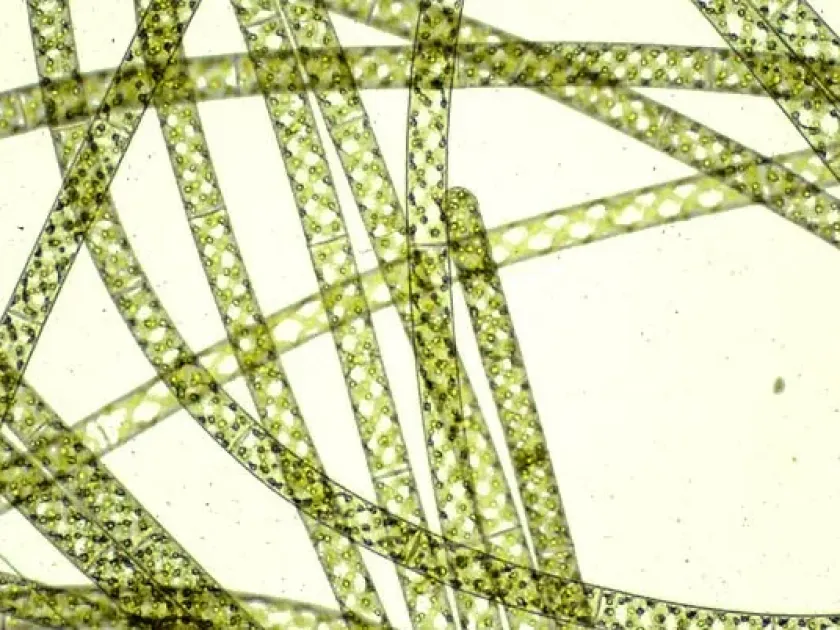
Spirogyra varians is a filamentous freshwater green alga belonging to the Charophyta division and the Zygnemataceae family. It is characterized by unbranched filaments composed of elongated cells.
The culture thrives in stagnant or slow-moving freshwater bodies with high levels of light intensity. Optimal growth temperatures range between 15°C and 25°C, ensuring rapid biomass accumulation.
Regarding nutrient requirements, the species is highly sensitive to the availability of nitrates and phosphates. In aquaculture, maintaining water nutrient balance is essential to prevent excessive blooms.
Morphologically, the alga features distinct ribbon-like chloroplasts spiraling within each cell. This structural adaptation maximizes photosynthetic efficiency under varying light conditions.
Cultivation requires monitoring of water transparency and pH stability. The species is globally distributed, commonly appearing in spring and summer when environmental conditions are favorable.
Main diseases and pests
Primary threats to the stability of Spirogyra varians populations include pathogenic chytrid fungi. These parasites infiltrate the cell walls and rapidly deplete the cytoplasmic content of the filaments.
Predatory protozoa and various rotifers pose a significant challenge in controlled environments. These organisms graze on algal filaments, which can result in a total collapse of the biomass.
Environmental stressors such as heavy metal toxicity significantly inhibit development. Exposure to high concentrations of copper or synthetic herbicides triggers cell lysis and immediate metabolic arrest.
Sudden turbidity spikes block the sunlight necessary for the autotrophic lifestyle of the alga. This creates a negative feedback loop that limits growth and promotes decay in the deeper water layers.
Invasive algae species often outcompete Spirogyra varians for space and mineral resources, especially in eutrophic waters with high organic load.