
Sphenodesme pentandra
Sphenodesme pentandra
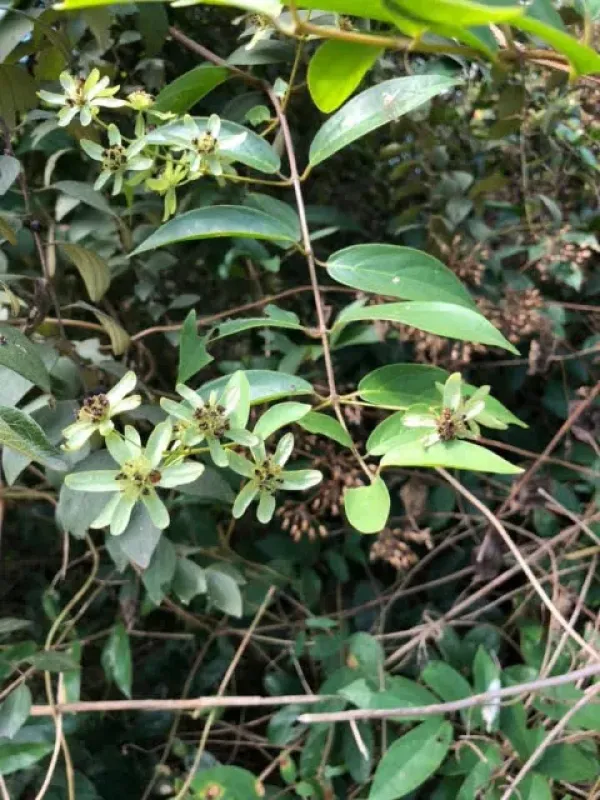
Description
Growing requirements
Sphenodesme pentandra is a robust, perennial woody vine belonging to the Lamiaceae family. Originally native to the lush tropical regions of Southeast Asia, it is highly valued for its unique inflorescences and structural growth habits.
The cultivation of this plant demands strict environmental parameters, specifically requiring a tropical climate with high humidity levels and constant temperatures. It thrives best in well-drained, nutrient-rich soils that maintain moisture without becoming waterlogged.
Light management is crucial, as the plant prefers bright, filtered sunlight or partial shade. Direct exposure to intense mid-day sun in arid conditions can severely damage the foliage and dehydrate the plant prematurely.
As a climbing species, it requires structural support in any agricultural or landscaping setting. Installing sturdy trellises or vertical framing systems is essential for the healthy development of its spreading vines.
Watering requirements are high, particularly during the growing season. Implementing a consistent irrigation schedule, paired with a high-quality drainage system, is the fundamental requirement for ensuring long-term plant health.
Harvesting
The harvest of Sphenodesme pentandra centers on the collection of its distinctive bracts and flowering spikes. Skilled manual labor is necessary to select only the stems that have reached the optimal development stage for post-harvest longevity.
Harvesting should ideally occur in the early morning to ensure maximum hydration. Using sterilized cutting tools is a critical practice to maintain the overall hygiene of the crop and prevent the spread of opportunistic pathogens.
Post-harvest management involves careful cleaning and grading based on the visual quality and size of the floral clusters. Stems are typically bundled and placed in clean, cool water to initiate the hydration process.
Cold chain logistics are vital for the distribution of this floral product. Keeping the environment stable during transport is key to preventing the wilting of the delicate, specialized floral tissues.
Professional growers must follow strict post-harvest protocols to ensure that the commercial value of the crop is preserved until it reaches the final consumer or floral designer.