
Sphaeroplea soleirolii
Sphaeroplea soleirolii
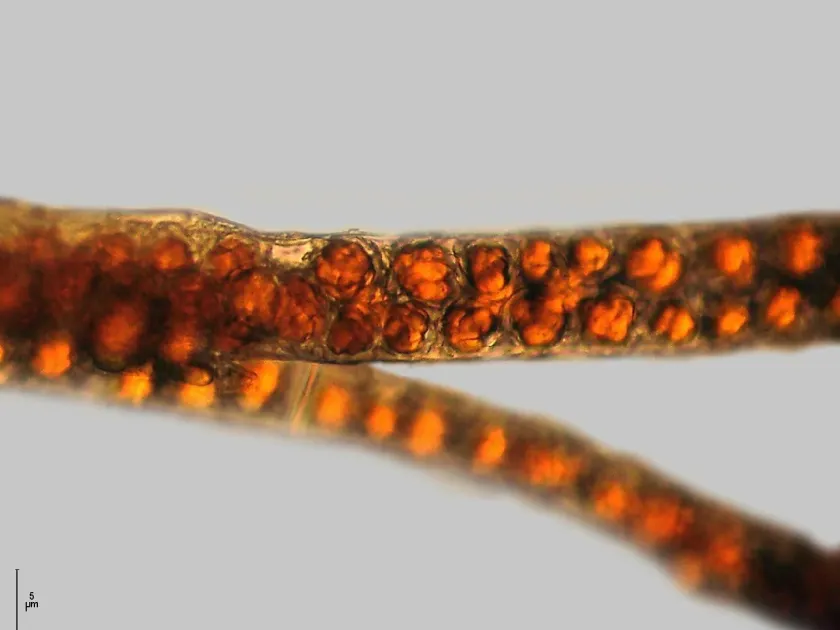
Description
Growing requirements
Sphaeroplea soleirolii belongs to the genus of filamentous green algae within the Sphaeropleaceae family. These organisms are characterized by long, unbranched filaments composed of cylindrical cells that can extend across the water column in suitable conditions.
The natural habitat of this species includes freshwater environments such as ponds, stagnant pools, and slow-moving streams. It prefers environments with moderate light penetration, which is essential for its primary production and vegetative growth throughout the season.
The optimal growth requirements involve nutrient-rich waters, specifically those with adequate nitrogen and phosphorus availability. The algae show a strong dependency on seasonal temperature shifts, typically flourishing during spring and summer months as water temperatures rise.
Botanically, the species is defined by the presence of multiple parietal ring-shaped chloroplasts within each cell, a diagnostic feature that distinguishes it from other filamentous algae. It reproduces through vegetative fragmentation and specialized sexual processes triggered by environmental changes.
While not a traditional agricultural crop, understanding Sphaeroplea soleirolii is vital for pond management and water quality assessment. Uncontrolled proliferation in aquatic systems can impact local biodiversity, making it a focus of study for environmental monitoring and limnology.