
Sphaerocoryne gracilis
Sphaerocoryne gracilis
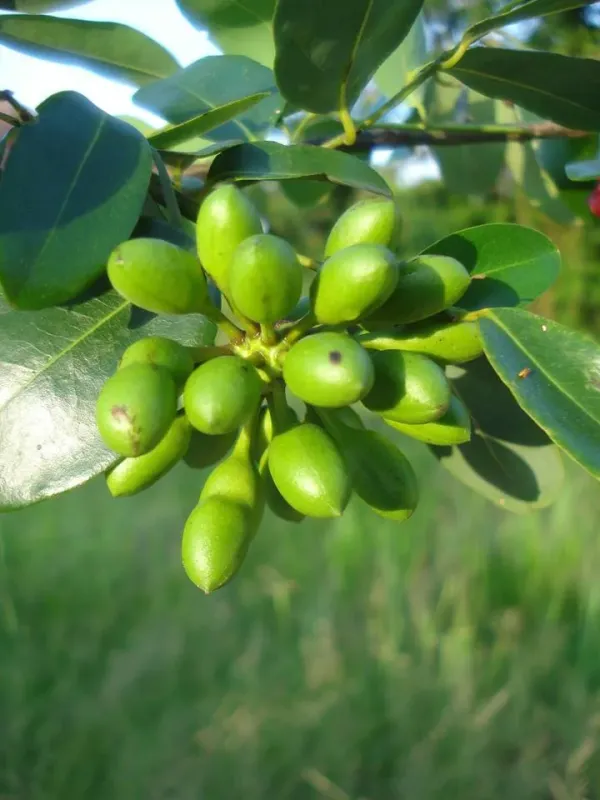
Description
Growing requirements
Sphaerocoryne gracilis is a member of the Annonaceae family, an evergreen plant natively distributed across the tropical regions of Southeast Asia. It is valued for its unique botanical traits.
The plant thrives in tropical climates characterized by high humidity and steady temperatures between +22°C and +30°C throughout the year. It does not tolerate cold drafts or frost conditions.
Successful cultivation requires nutrient-rich, well-draining soils with a neutral or slightly acidic pH. Proper drainage is essential to prevent root rot in this tropical species.
The species prefers filtered bright light. Direct sunlight exposure can be harmful to the leaves, especially during the peak hours of the day in intensive tropical environments.
In terms of agricultural use, this plant is frequently studied for its chemical profile and traditional applications in local medicine and fragrance production in its native regions.
Main diseases and pests
Common pests affecting Sphaerocoryne gracilis include spider mites and mealybugs, which thrive in environments where ambient humidity is not carefully managed or monitored.
Root rot remains the most significant threat caused by over-irrigation or improper soil aeration. It is vital to allow the substrate to reach a specific level of dryness before re-watering.
To control pest infestations, cultivators often use horticultural oils or biological soaps. Chemical pesticides should be used with caution to avoid damaging sensitive plant tissues.
Regular monitoring of plant health, including checking for yellowing leaves or discolored stems, is necessary to mitigate the spread of fungal and bacterial infections early.
Creating a balanced microclimate within the greenhouse or growing area is the primary defense strategy against major diseases and pests inherent to this crop.