
Sphaerocarpos michelii
Sphaerocarpos michelii
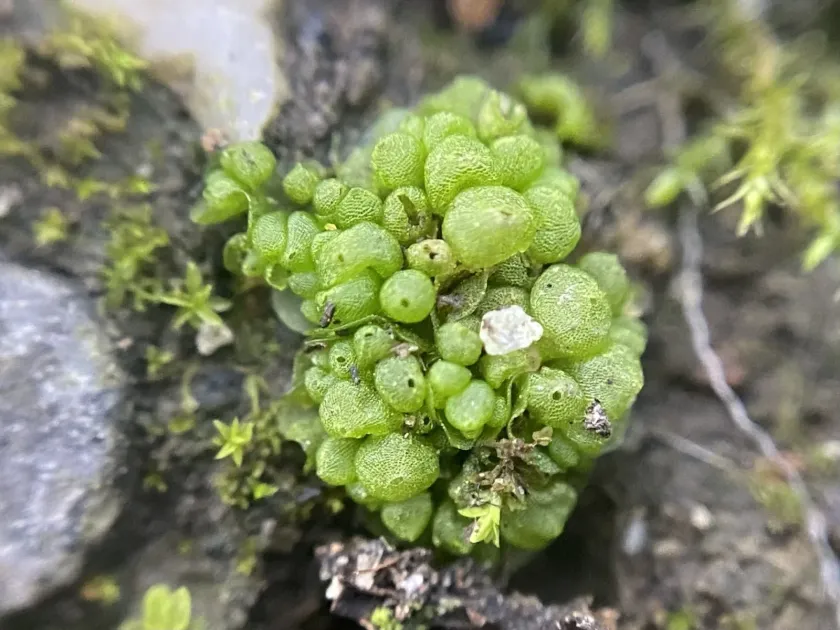
Description
Growing requirements
Sphaerocarpos michelii is a species of liverwort belonging to the family Sphaerocarpaceae. While not a cultivated crop, it is a plant of scientific interest due to its specific ecological niche and biological structure as a bryophyte.
The plant typically thrives in open, disturbed habitats such as fallow fields, damp meadows, and along the edges of agricultural plots where soil is exposed and competition from vascular plants is minimal.
It requires consistent moisture levels to complete its life cycle. The thallus, which is the vegetative body of the plant, is extremely sensitive to desiccation, making spring and early autumn the primary growth seasons.
The soil preference for Sphaerocarpos michelii includes neutral to slightly alkaline mineral soils. High levels of nitrogenous fertilizers often prove detrimental to the population balance of this moss.
Sunlight exposure is a critical factor for the healthy development of this species. It is considered a light-demanding organism that rapidly disappears when a canopy of taller herbaceous plants closes over it.
Main diseases and pests
Intensive agricultural practices represent the most significant threat to Sphaerocarpos michelii. The application of herbicides intended to eliminate weeds directly kills these bryophytes due to their lack of protective cuticle.
Large-scale mechanical soil cultivation is detrimental to the species. Constant flipping of the topsoil disrupts the micro-environment necessary for spore germination and thallus development.
Land abandonment and subsequent natural succession leading to shrub encroachment create unfavorable shading conditions that eliminate the species from historically occupied areas.
Climate change, specifically the occurrence of prolonged droughts during the spring, significantly impairs the reproductive capacity of the plant by shortening its vital growth window.
Pollution from agricultural runoff, particularly the accumulation of synthetic nutrients, can alter the soil chemistry to a degree that becomes toxic or unsuitable for the growth of this sensitive liverwort.