
Sphaeranthus indicus
Sphaeranthus indicus L.
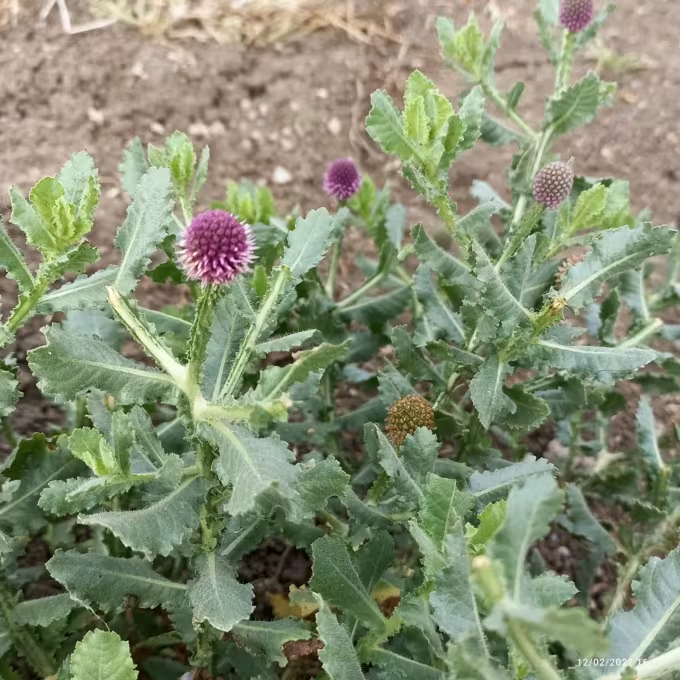
Description
Sowing dates
Sphaeranthus indicus is an annual herb belonging to the Asteraceae family. The plant is native to tropical regions and thrives in areas with distinct wet and dry seasons, typically starting its life cycle when soil moisture is abundant.
Seeds should be sown in prepared, fine-tilled soil during the early part of the growing season. Since the seeds are very small, they are usually broadcasted or sown in shallow furrows, covered only by a thin layer of fine soil or compost.
Germination requires consistent soil moisture and warm temperatures. Farmers should ensure the seedbed remains damp but not waterlogged for the first two weeks until the seedlings are firmly established.
Optimal planting density is crucial for this crop to prevent overcrowding, which can hinder airflow and promote disease. Proper spacing allows each plant to develop its full vegetative biomass and produce high-quality flowering heads.
The vegetative stage lasts several weeks before the plant initiates the production of its signature purple, globe-shaped flower heads. Timely sowing ensures the plants reach the peak flowering stage before the onset of extreme weather.
Growing requirements
This crop prefers rich, loamy soils that can retain moisture while providing adequate drainage. It is commonly found in wetlands, paddy fields, and riverbanks, indicating a preference for consistently moist soil conditions.
Sphaeranthus indicus requires full sunlight to synthesize its unique phytochemicals. High light intensity is directly linked to the concentration of essential oils within the flower heads and stems.
The ideal temperature range for this species is 25°C to 35°C. It is extremely sensitive to frost and cannot survive in cold climates, making it strictly a tropical or subtropical crop.
While the plant thrives in wet conditions, stagnant water should be managed. If cultivated in flooded conditions, the soil must have a degree of aeration to prevent root rot in younger plants.
Soil fertility management should focus on maintaining a balanced nutrient profile. While the plant is hardy, light application of organic matter during the land preparation stage significantly boosts the overall yield of the green biomass.
Main diseases and pests
Pests such as aphids and spider mites are the most common threats, especially during the early growth phases. These insects feed on the sap of young stems, causing stunted growth and lower production quality.
Fungal diseases like powdery mildew and various leaf spots are prevalent in high-humidity environments. If not addressed, these infections can rapidly spread across the entire plot, leading to significant yield losses.
Crop management includes regular field monitoring to identify pest outbreaks early. Using biological control methods, such as introducing beneficial insects, is preferred over chemical interventions to maintain the herb's purity.
Proper field sanitation is essential to minimize the risk of recurring infections. Removing weeds and infected plant debris at the end of the season prevents pathogens from overwintering in the soil.
Adhering to a strict crop rotation schedule helps maintain soil health and reduces the pressure from soil-borne diseases. Avoiding monoculture for extended periods is a standard practice for sustainable cultivation of this species.
Harvesting
Harvesting is typically done when the plants are in full bloom, which is when the active medicinal compounds are at their peak. This is usually indicated by the deep purple color of the flower heads.
The entire aerial part of the plant is harvested by cutting it a few inches above the soil level. Mechanical harvesting is possible, but manual harvesting ensures cleaner, higher-grade raw material free from soil contaminants.
Post-harvest processing involves rapid transport to a drying facility to prevent self-heating and loss of volatile oils. Proper handling at this stage is critical to maintaining the medicinal integrity of the harvest.
Drying should take place in well-ventilated, shaded areas or industrial dryers at temperatures not exceeding 40°C. Excessive heat can cause the rapid degradation of essential oils and other sensitive components.
Final storage must be in cool, dry, and dark conditions to prevent oxidation. Using moisture-proof, airtight packaging ensures that the harvested material retains its medicinal properties for up to a year until processing.