
Corn spurry
Spergula arvensis L.
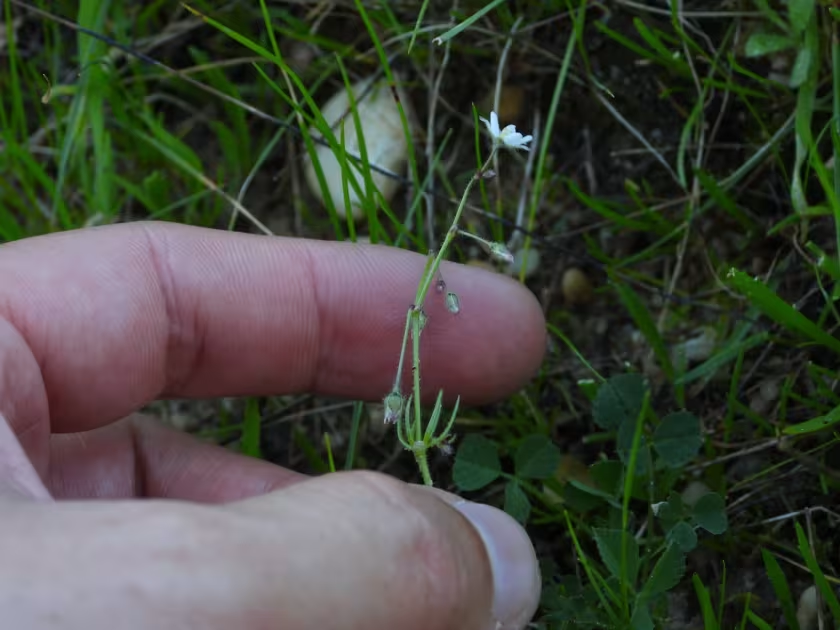
Description
Sowing dates
Corn spurry (Spergula arvensis L.) is an annual plant belonging to the Caryophyllaceae family. It is a highly productive crop often cultivated for forage in regions with poor or sandy soil conditions.
The seeds possess high germination rates, allowing for early spring sowing once soil temperatures reach 5–8 degrees Celsius. For continuous forage production, staggered planting can be implemented throughout the season.
Seed planting depth should be shallow, around 1–2 centimeters, due to the small size of the seeds. The seeding rate typically ranges from 15 to 20 kilograms per hectare depending on the specific agricultural goal.
Rolling the field after sowing is recommended to ensure optimal seed-to-soil contact, which accelerates emergence. The crop's vigorous early growth allows it to establish well against potential weed pressure.
Corn spurry adapts well to minimal tillage practices provided there is sufficient soil moisture. In colder northern climates, winter sowing is sometimes practiced to utilize spring moisture effectively.
Growing requirements
This crop is a well-known indicator of acidic soils, thriving best on light, sandy, or loamy substrates with a low pH level. It performs exceptionally well where more demanding forage crops might fail.
The plant favors a moderately cool and humid climate, making it resilient to early spring or late autumn frosts. It exhibits great reliability in regions where the growing season is short.
While responsive to nitrogen and phosphorus applications, corn spurry is naturally efficient at scavenging nutrients from low-fertility soils. It is often used to improve soil structure due to its biomass production.
Sunlight exposure is crucial for maximizing yield. While it can survive in varied light conditions, full sun maximizes the accumulation of nutrients within the foliage, which is vital for high-quality livestock feed.
Consistent moisture is necessary for sustained growth, but the crop shows good tolerance to temporary dry spells once it has established its root system in the sandy soils it prefers.
Yield
Green biomass yields of corn spurry can reach 150–250 decitonnes per hectare under good management practices. Productivity is highly dependent on water availability during the peak vegetative stage.
When harvested for hay, dry matter yields range from 40 to 60 decitonnes per hectare. It is essential to harvest before the plant reaches full maturity to maintain the protein content required for livestock.
The short growth cycle of 50–70 days allows for multiple harvests within a single season. This flexibility makes it a valuable component of intensive farming systems seeking to optimize land use.
Corn spurry also serves as a beneficial nectar source for bees, adding an extra dimension to its utility on farms. Early-season flowering provides food for pollinators when few other sources are available.
Nutritional quality peaks during the budding stage. After the plant begins to flower, the stems become tougher, which may slightly reduce the palatability for livestock compared to the succulent young stage.
Main diseases and pests
Corn spurry is generally resistant to many common agricultural pests and diseases that affect traditional grain crops. In waterlogged conditions, however, root rot can become a potential threat to stand density.
Cruciferous flea beetles may target young seedlings in the early growth stages. Utilizing treated, high-quality seeds is a recommended preventative measure to reduce early-season pest damage.
Preventative management involves proper crop rotation and ensuring adequate field drainage to avoid conditions that favor pathogen development. Avoiding overcrowded stands also helps maintain plant health.
Chemical intervention is rarely required due to the crop's rapid growth cycle and its inherent resilience. Most issues can be managed through cultural practices and careful timing of harvest.
Weed control should be handled primarily through agronomic methods, as the crop's fast growth typically outcompetes weeds if established correctly at the beginning of the cycle.
Harvesting
Harvesting is typically performed using forage harvesters. The optimal time is at the beginning of the flowering stage, ensuring maximum nutritional content and biomass quality for feed.
For hay production, the cut material should be windrowed to allow for rapid wilting. Because the stems are fine, the crop dries relatively quickly, preserving its essential nutrients.
Timing is critical to prevent seed shedding, as the plant can easily become a volunteer weed if the seeds are allowed to mature and drop in the field. Careful monitoring of the growth stage is advised.
When harvesting for seeds, combine harvesting should be initiated when approximately 80% of the seed pods have turned brown. Proper cleaning and drying are necessary to ensure safe storage.
Stored seeds retain viability for several years if kept in cool, dry conditions. This long shelf life makes corn spurry a reliable crop to maintain in a farm’s seed inventory for seasonal planting.