
Spartina fasciculata
Spartina fasciculata
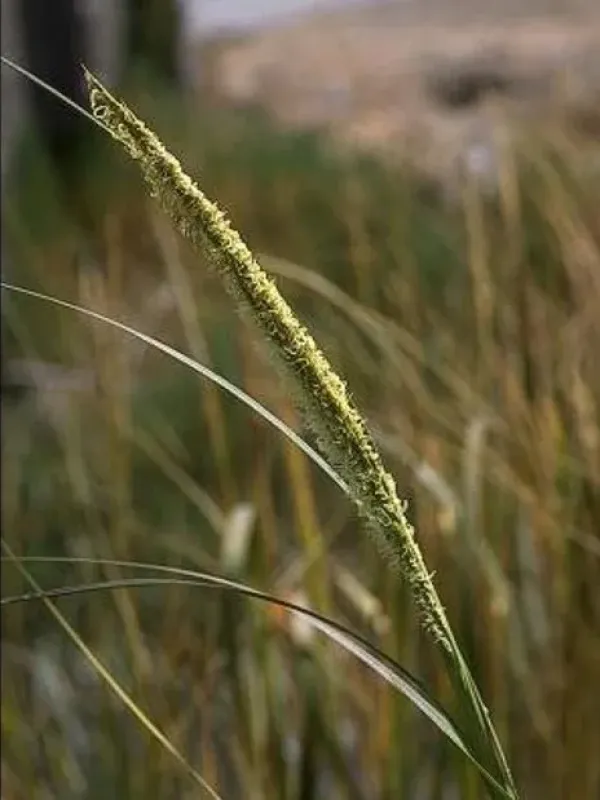
Description
Growing requirements
Spartina fasciculata is a perennial grass species belonging to the Poaceae family. Known for its remarkable salt tolerance, this plant is categorized as a halophyte, perfectly adapted to environments where other crops struggle to survive.
Native to North America, this species inhabits wetlands, marshes, and alkaline soils. Its evolution has equipped it with specialized mechanisms for managing internal salt concentrations, allowing it to flourish in coastal or inland saline areas.
The plant thrives in moist conditions and can withstand periodic waterlogging, which is a key advantage for agricultural sites prone to flooding. It requires adequate sunlight to ensure robust growth and consistent development of its dense root system.
Soil requirements for Spartina fasciculata include a preference for neutral to alkaline substrates. While it is highly adaptable, providing well-drained but consistently moist conditions maximizes the yield potential of the crop in a commercial setting.
Agronomic management involves regular monitoring of soil moisture levels. Although it is a hardy species, nitrogen supplementation during the early growing season can significantly boost biomass production, ensuring a healthy and vigorous stand.
Yield
The primary economic use of Spartina fasciculata lies in forage production for livestock on marginal, saline lands. When harvested at the right phenological stage, it provides a reliable source of roughage.
Beyond animal husbandry, the species is widely recognized for its role in phytoremediation and soil stabilization. It effectively binds soil particles, preventing erosion in fragile ecosystems and reclaimed areas.
Industrial interest in the biomass of this grass is growing, particularly for use in the production of cellulosic biofuels. Its high fiber content makes it a candidate for sustainable bioenergy research.
The yield of green matter is generally consistent, provided that the water balance is maintained. Farmers benefit from its low-input nature, as it requires minimal pesticide application compared to conventional crops.
For optimal results, harvesting should be planned before the plant enters the reproductive phase, ensuring that the harvested material maintains high digestibility and nutritional quality for agricultural purposes.