
Branched bur-reed
Sparganium erectum L.
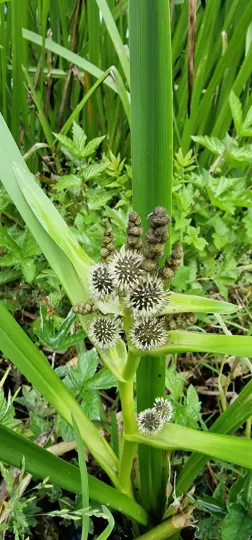
Description
Sowing dates
Branched bur-reed belongs to the Typhaceae family. While it propagates by seeds in nature, commercial cultivation primarily relies on vegetative propagation through rhizome division to ensure genetic uniformity and faster establishment.
Planting is conducted in early spring once water temperatures consistently reach 10–12 degrees Celsius. Rhizomes should be planted into the substrate at a depth that prevents them from floating while allowing shoots to reach the surface.
Optimal spacing for dense colony formation is 50 to 60 centimeters between individual plants. This density promotes natural ecosystem balance and prevents opportunistic weeds from occupying the niche.
Seed propagation requires a cold stratification period of several months. If seeds are used, they should be sown in the autumn into submerged containers to benefit from natural winter dormancy and spring germination cycles.
Young plants are sensitive to water current intensity. Establishing them in calm or slowly moving water is critical during the first growing season until the root system has sufficiently anchored into the substrate.
Growing requirements
This species is a quintessential hydrophyte, preferring habitats with permanent shallow water, such as river margins, drainage ditches, and pond edges. It thrives in depths ranging from 5 to 70 centimeters.
The substrate should be nutrient-rich, typically consisting of silt, clay, or organic-rich muck. It performs best in neutral to slightly acidic conditions, mimicking the natural wetlands of the temperate zone.
Sunlight is essential for the healthy development of this species. It is a heliophyte, and insufficient light will lead to spindly stems, reduced flower production, and a decrease in the overall health of the plant colony.
The plant is highly hardy and well-adapted to temperate climates. It tolerates freezing conditions provided the rhizomes remain protected under the ice or submerged in mud, allowing for widespread cultivation in northern regions.
It is sensitive to salinity and highly polluted water. While it acts as a biofilter, extreme levels of industrial heavy metals or toxic pollutants can overwhelm the plant's physiological defenses and inhibit growth.
Yield
The primary agricultural and environmental use of Branched bur-reed is phytoremediation. Its high biomass production allows it to efficiently extract excess nitrogen and phosphorus from water bodies, preventing eutrophication.
In landscaping, the plant is highly valued for its aesthetic appeal, particularly the unique spherical inflorescences that give the plant its common name. It is a staple in naturalistic pond design and riparian zone restoration.
The biomass serves as a vital food source for wildlife, particularly muskrats and waterfowl. In some regions, managing these colonies can be integrated into broader wildlife conservation and habitat management plans.
While not a traditional food crop, the starchy rhizomes have historically been noted as a potential source of sustenance in survival scenarios, although they require extensive processing to remove tannins and bitter compounds.
Yield management involves harvesting excess growth to maintain the efficacy of bio-filters. Regular removal of dead biomass in autumn is necessary to prevent nutrient cycling back into the water column, ensuring the plant's continued utility.
Main diseases and pests
Fungal pathogens such as rust and various leaf spot diseases are the most common health threats. These are usually prevalent during periods of stagnant air and excessive moisture, often exacerbated by dense planting.
Insect pests, such as leaf-eating beetles and stem-boring larvae, can cause localized damage. However, the plant is generally robust, and biological control methods are typically sufficient to keep populations in check.
Competition from invasive aquatic weeds like Common Reed or invasive Cattail species can threaten Branched bur-reed populations. These competitors often grow faster and taller, shading out the bur-reed effectively.
Environmental stress, particularly sudden changes in water levels, can lead to physiological distress. Extended periods of drought expose the rhizomes to air, which can be fatal if the soil dries out completely.
Best management practices include monitoring for signs of stress and removing affected plant material to prevent the spread of infections. Maintaining stable water levels is the most effective preventative measure for plant health.