
Spanish broom
Spartium junceum L.
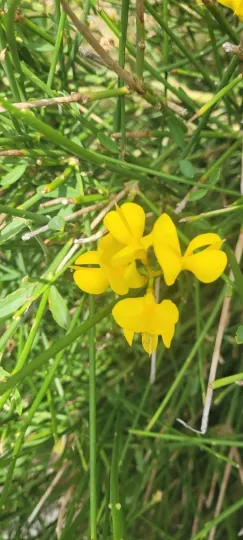
Description
Sowing dates
Sowing of Spanish broom usually takes place in spring, once the soil has warmed sufficiently to support germination. Early spring planting allows the seedlings to establish a deep root system before the onset of summer drought.
Seeds are characterized by a hard seed coat and require scarification to ensure consistent germination. Soaking the seeds in warm water for 24 hours prior to planting is a recommended practice to improve success rates.
The seeds should be sown in a well-drained, sandy, or light soil mix at a shallow depth of about 1 to 2 centimeters. Maintaining moderate soil moisture is crucial during the initial stages of seedling development.
In nursery settings, seeds are often sown in individual pots to prevent root disturbance during transplantation. This method ensures that the young plants are robust enough to survive the transition to the open field.
For field cultivation, direct seeding is possible if the soil is prepared to be weed-free. Proper spacing is essential to ensure that each plant receives enough sunlight to develop the long, straight stems required for fiber production.
Growing requirements
Spanish broom is a member of the Fabaceae family and is highly valued for its exceptional drought tolerance. It thrives in poor, rocky, or sandy soils where other crops might fail, making it an excellent candidate for marginal lands.
Sunlight is the most critical environmental factor for this species. It requires full, unobstructed solar radiation for the entire day to maximize its growth potential and ensure the production of high-quality, strong stems.
Soil drainage is of paramount importance for the survival of this species. It cannot tolerate waterlogged conditions, which lead to root rot and rapid decline; therefore, sloped areas or sandy substrates are preferred.
Climatically, Spanish broom is best suited for Mediterranean-type environments with mild winters. In regions where temperatures drop significantly below freezing, the plant may require protection or be managed as a short-term crop.
The plant possesses a symbiotic relationship with nitrogen-fixing bacteria, allowing it to thrive in low-nutrient environments without extensive fertilizer applications. Excessive nitrogen can actually be detrimental, promoting lush growth at the expense of stem strength.
Main diseases and pests
Fungal diseases related to high humidity represent the most significant threat to Spanish broom crops. Powdery mildew can affect the green stems if air circulation is poor or if there is excessive atmospheric humidity.
Pests such as aphids and spider mites can colonize the soft, young tips of the plant during active growth phases. These pests weaken the plant and can facilitate the transmission of viral diseases that stunt development.
Root pathogens, particularly fungi causing root rot, are lethal to adult plants if soil moisture levels remain consistently high. Proper drainage and the avoidance of over-irrigation are the best preventative measures against these issues.
Weed management is only critical during the first year of establishment. Once mature, the plant's dense stem structure and rapid growth allow it to effectively outcompete most common weeds in the area.
Integrated pest management, involving the use of biological controls and regular field monitoring, is recommended. Early detection of pest hotspots allows for targeted interventions, minimizing the need for broad-spectrum chemical applications.
Harvesting
The harvest is typically performed at the end of the growing season when the stems have reached full technical maturity. At this stage, the fiber content is optimal, and the stems are at their peak strength for industrial processing.
Mechanical harvesting involves cutting the stems at the base using sickle-bar mowers or similar equipment. The harvested biomass is then bundled to facilitate drying and transport to the processing facility.
The extraction of fiber requires a retting process, where the stems are submerged in water to allow natural degradation of the softer plant tissues. This traditional method remains the most effective way to separate the high-quality fibers.
Following the retting process, the fiber is washed, dried in the open air, and cleaned of impurities. The duration of retting must be carefully controlled to ensure the fiber does not become brittle or lose its structural integrity.
Storage of the finished fiber requires clean, dry, and well-ventilated conditions. Protecting the fiber from moisture is essential to prevent degradation and to ensure its longevity during storage and subsequent manufacture.