
Spanish bluebell
Hyacinthoides hispanica (Mill.) Rothm.
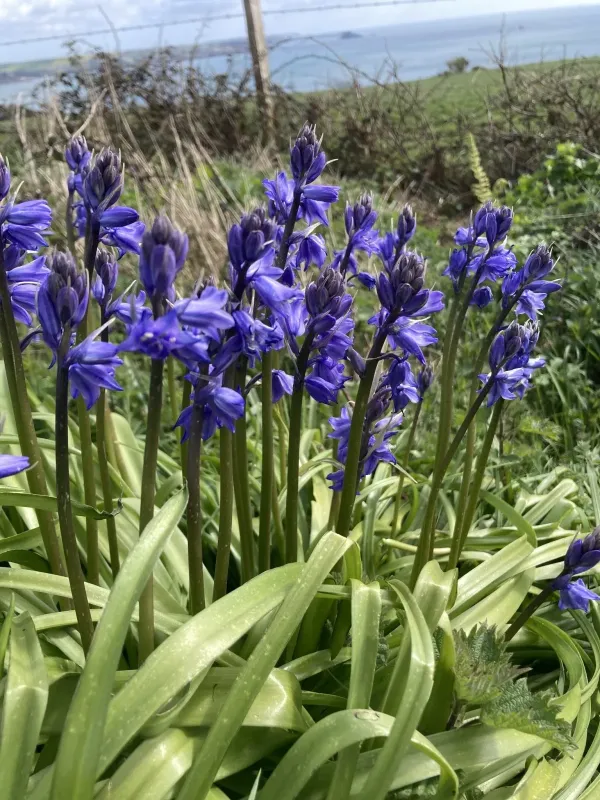
Description
Sowing dates
The planting of Spanish bluebell bulbs is best carried out in the autumn, specifically between September and October. This timing allows the bulbs to establish a healthy root system before the onset of winter dormancy.
Bulbs should be planted at a depth of approximately 10 to 12 centimeters. The exact depth may vary slightly depending on the soil structure, with deeper planting preferred in lighter, well-draining garden soils.
Maintain a spacing of at least 10–15 centimeters between individual bulbs. This density allows the plants to form beautiful, lush drifts without overcrowding, which can otherwise impede their growth and bloom quality.
Placing a small amount of grit or sand at the base of each planting hole is a recommended practice. This improves drainage around the bulb and significantly reduces the risk of fungal infections.
While autumn is the standard time for planting, in milder climates, spring planting can be successful if done early, provided the bulbs are kept in cool storage until they can be placed in the ground.
Growing requirements
Hyacinthoides hispanica, a member of the Asparagaceae family, thrives in semi-shaded environments. It is an excellent choice for woodland gardens or beneath deciduous trees where it receives dappled sunlight.
The ideal soil is rich in organic matter, moist, and well-draining. While the plant is adaptable, it performs best in soils that are slightly acidic to neutral and contain plenty of compost or leaf mold.
Watering requirements are moderate; the soil should be kept consistently moist during the spring growing season but never waterlogged. Once the foliage begins to die back in late summer, the plant enters dormancy and requires less water.
Temperature management is generally simple, as the plant is quite hardy. In regions with extremely cold, snowless winters, applying a layer of mulch helps to protect the bulbs from sudden temperature fluctuations.
Annual fertilization is not strictly necessary but can benefit the plants. Applying a balanced, slow-release fertilizer in early spring encourages more vigorous foliage and a more spectacular floral display.
Main diseases and pests
The most significant threat to Spanish bluebell is bulb rot caused by poor drainage. This condition is often fatal and can spread quickly through a clump if moisture levels in the soil are not managed correctly.
Slugs and snails are the primary pests that damage the succulent leaves during the spring months. They can be effectively managed through organic pest control methods or by keeping the surrounding area tidy.
Nematodes can occasionally infest the bulbs, leading to stunted or distorted growth. Infected bulbs should be carefully lifted and destroyed to prevent the spread of the infestation to surrounding healthy plants.
Fungal pathogens such as rust or powdery mildew can sometimes affect the foliage during periods of high humidity. Improving air circulation around the plants is the most effective preventative measure.
Regular monitoring of the planting site is essential. Removing any yellowed or diseased foliage as soon as it appears helps maintain the overall vigor and sanitary condition of the floral display.