
Sonerila cordifolia
Sonerila cordifolia cong
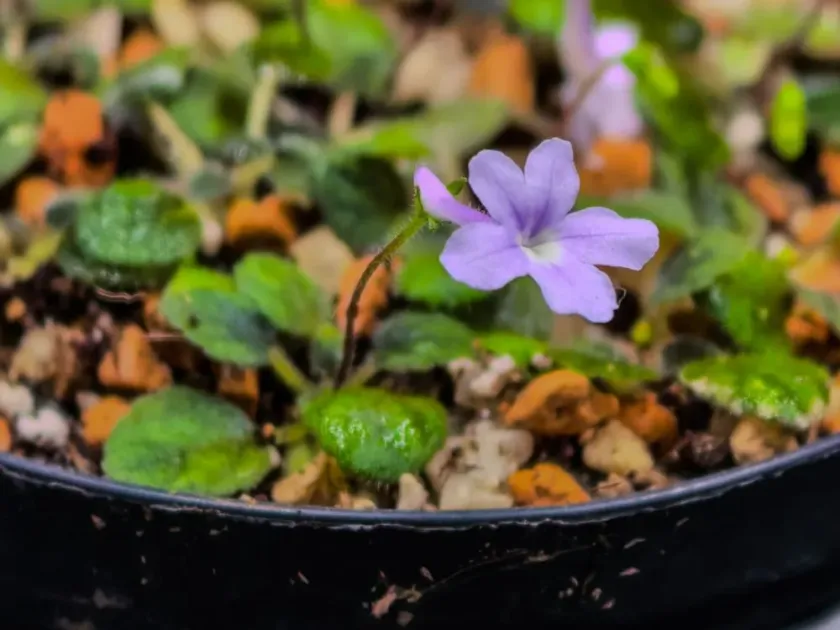
Description
Growing requirements
Sonerila cordifolia is an ornamental plant belonging to the Melastomataceae family. Native to the humid rainforests of Southeast Asia, it thrives in environments that mimic its natural understory habitat, characterized by diffused light and high humidity.
The plant is highly regarded for its attractive cordate (heart-shaped) leaves, which often display a velvety surface and intricate venation. It is a compact species, making it an excellent choice for indoor plant collections that focus on tropical aesthetics.
To ensure healthy growth, the plant requires a consistently warm environment, ideally between 20 and 26 degrees Celsius. It is highly sensitive to cold drafts and sudden changes in ambient temperature, which can lead to leaf drop.
The substrate must be well-draining, loose, and slightly acidic. A mix containing peat moss, perlite, and organic leaf mold is generally recommended to provide sufficient root aeration while maintaining the necessary moisture retention.
Proper lighting is crucial; the plant should be placed in indirect light. Direct sunlight is harmful and will quickly scorch the delicate foliage. During the growing season, consistent moisture must be provided, ensuring the soil never dries out completely.
Main diseases and pests
Spider mites are the most common pests affecting Sonerila cordifolia, especially in settings where the air humidity drops below optimal levels. These small arachnids can cause significant damage to the foliage if left unchecked.
Mealybugs can also infest the plant, typically hiding in the crevices of the stem and leaf nodes. Early intervention with systemic insecticides or gentle mechanical cleaning is necessary to manage these pests effectively.
Root rot is a major threat caused by overwatering or poor drainage. Once the roots are compromised, the plant shows signs of wilting and yellowing, making it difficult to recover without repotting into fresh, sterile soil.
Fungal leaf spots may develop if the foliage remains wet for extended periods in cooler environments. Maintaining good air circulation around the plant is essential to prevent moisture accumulation on the leaf surfaces.
Regular inspection of the plant's health is the best defense against threats. By providing appropriate care and monitoring for signs of stress, growers can prevent the majority of pest and disease problems common to this species.