
Soldanella villosa
Soldanella villosa
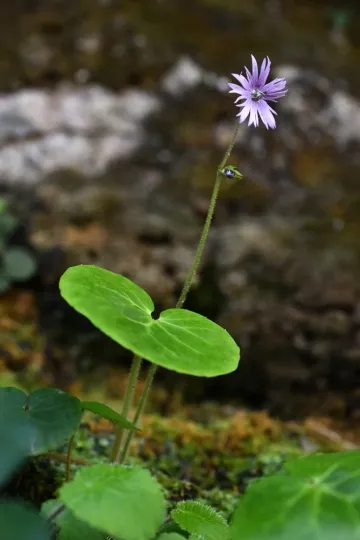
Description
Growing requirements
Soldanella villosa is a perennial herbaceous plant belonging to the Primulaceae family. Native to the mountainous regions of the Iberian Peninsula, this species is highly specialized, thriving in cool, moist, and rocky environments where temperatures remain moderate throughout the growing season.
The botanical structure of the plant is defined by its rounded, villous leaves arranged in a basal rosette. The inflorescences consist of bell-shaped, violet flowers that appear in early spring. The presence of fine hairs on the petioles and leaves helps the plant retain moisture and protects it from harsh alpine winds.
Cultivation requires conditions that closely mimic its natural mountain habitat. Success depends on providing a cool root run, which is best achieved by planting in a north-facing position or a shaded rock garden where the soil remains consistently moist but never waterlogged.
The soil should be porous, rich in organic humus, and well-drained. A mixture of leaf mould, perlite, and coarse sand provides the necessary aeration for the delicate root system. Avoid heavy clay soils that retain excess water and cause root asphyxiation.
Climate requirements include high atmospheric humidity and protection from intense summer heat. In warmer climates, it is essential to use mulch, such as stone chips, around the base of the plant to keep the soil temperature low and prevent the crowns from drying out.
Main diseases and pests
The primary threats to Soldanella villosa are fungal pathogens, specifically those causing crown rot, which proliferate in poorly drained soils. Excess moisture around the leaf rosette during periods of low activity is particularly damaging.
Garden pests, most notably slugs and snails, pose a significant risk to the plant. These gastropods feed on the soft, succulent foliage, which can devastate a mature specimen in a short time if control measures are not implemented.
Nutrient deficiency or pH imbalances can lead to physiological stress, manifesting as chlorosis. It is important to monitor the soil acidity, as this plant prefers slightly acidic conditions to absorb essential nutrients effectively.
Air circulation is critical for preventing mildew and other foliar infections. Crowding the plant with other species can create a stagnant microclimate, inviting diseases to spread across the foliage rapidly.
Maintenance includes periodic inspection for any signs of decay. If rot is observed, the affected tissue must be removed immediately, and the surrounding area should be treated with appropriate dry amendments to restore the balance of the substrate.